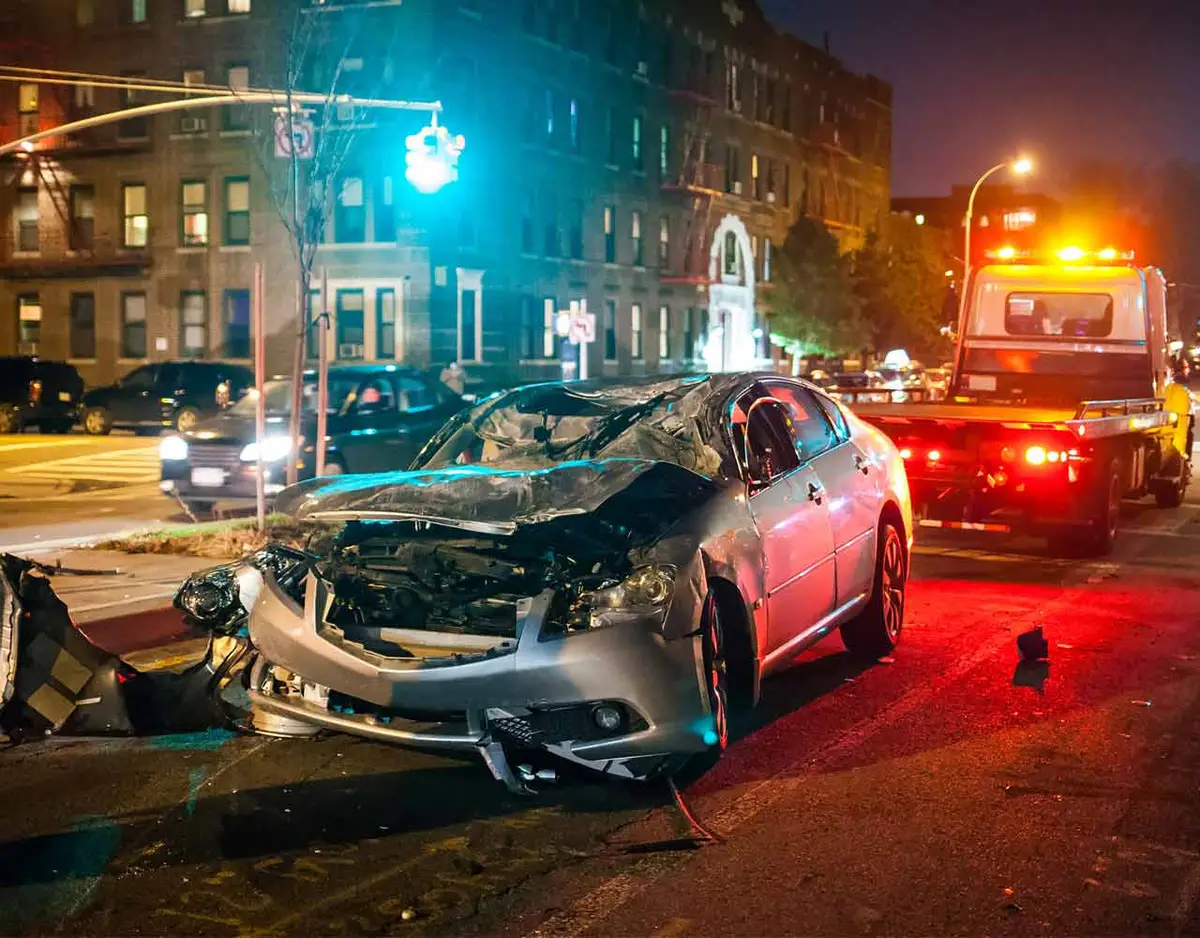
Most DUI cases begin with a routine traffic stop. A police officer or law enforcement officer may pull a driver over for a traffic violation and then begin observing behavior that could suggest driving under the influence. These observations often include speech, coordination, and physical appearance, and may be captured through body camera footage or dashcam footage.
If impairment is suspected, the stop can quickly turn into a DUI investigation. The officer may have the driver exit the vehicle and ask them to perform field sobriety tests. At this stage, the driver is usually not under arrest, but the officer is actively gathering evidence that may later be used in court and reviewed by a DUI lawyer if charges are filed.
Many drivers are unsure of their rights during this phase, particularly whether they are required to comply with testing requests. Decisions made during a DUI stop can directly affect Illinois DUI cases, potential license suspension, and future driving privileges, making it important to understand the legal risks involved in refusing a field sobriety test in Illinois.
What Are Field Sobriety Tests?
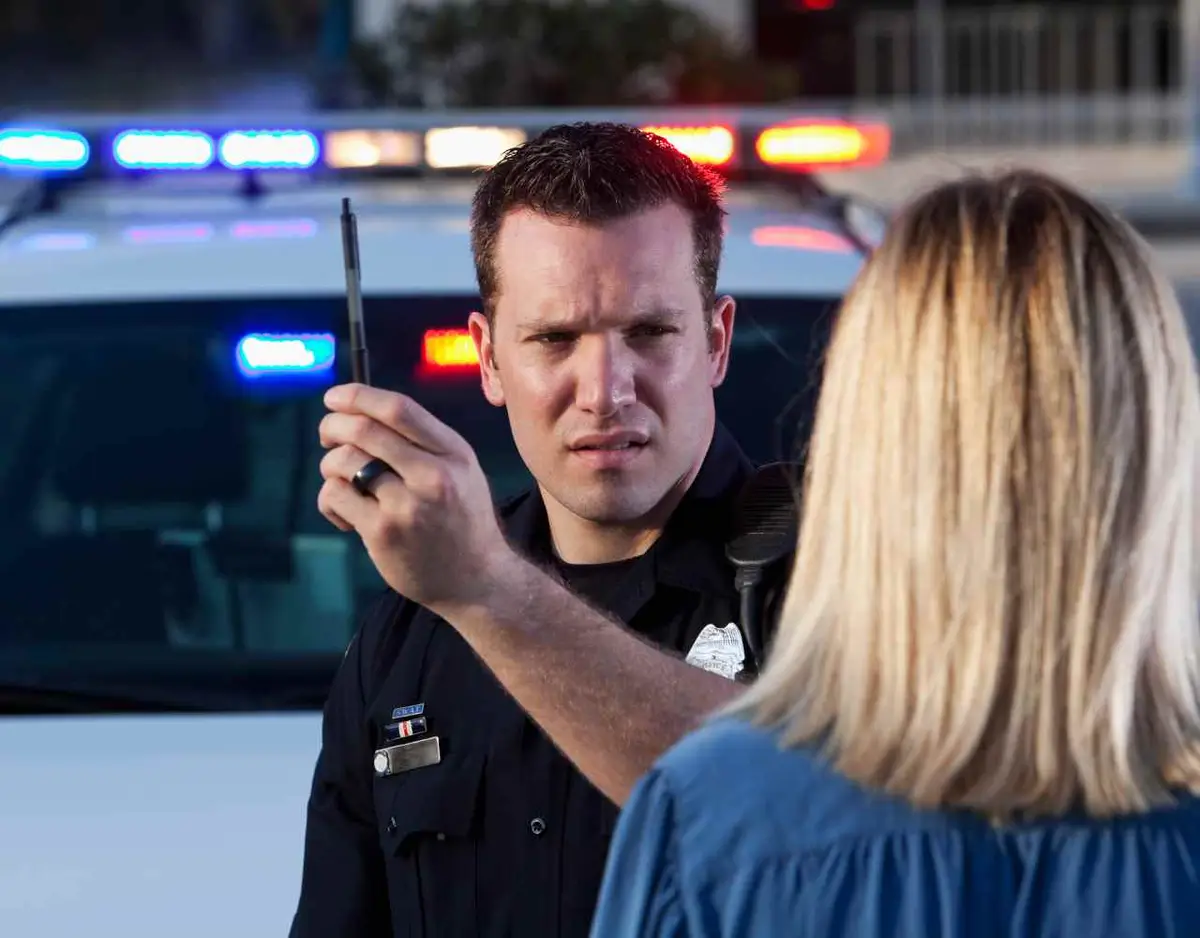
Field sobriety testing consists of physical and cognitive exercises used by officers to evaluate possible impairment. These tests do not measure blood alcohol content or blood alcohol concentration. Instead, they rely on an officer’s interpretation of how a driver performs under roadside conditions.
Officers are trained to administer standardized field sobriety tests based on NHTSA protocols, but the results remain subjective. Performance can be affected by stress, fatigue, medical issues, uneven surfaces, or environmental distractions.
Common Types of Field Sobriety Tests
Commonly requested tests include:
- Horizontal Gaze Nystagmus Test, which evaluates eye movement
- Walk and Turn Test, which assesses balance and the ability to follow instructions
- One-Leg Stand, which tests coordination
- Non-standardized tests, such as reciting the alphabet or the finger-to-nose test
Because these tests are subjective and conditions are often imperfect, field sobriety evidence is frequently challenged by DUI defense attorneys in court.
Are Field Sobriety Tests Required Under Illinois Law?
No. Field sobriety tests are not mandatory in Illinois. A driver may legally refuse to participate in field sobriety testing without violating Illinois law. These roadside tests are voluntary and are not part of the State’s implied consent laws.
This is an important distinction. While an officer may strongly encourage participation, refusal alone does not result in automatic license suspension, fines, or other administrative penalties. A driver who chooses not to perform field sobriety tests is still complying with the law, provided they follow lawful instructions during the stop.
However, refusing a field sobriety test does not prevent an arrest. If a law enforcement officer believes there is sufficient evidence of impairment based on driving behavior or observations, the officer may still proceed with a DUI arrest.
Legal Risks of Refusing a Field Sobriety Test
Although there is no direct penalty for refusal, refusing a field sobriety test in Illinois carries practical risks. Officers may interpret refusal as uncooperative behavior and decide to arrest based on other observations, such as speech, appearance, or driving patterns.
From a legal perspective, refusal often limits the amount of field sobriety evidence available to the prosecution. Without test performance, the State must rely more heavily on officer testimony, video footage, and circumstantial evidence.
In court, prosecutors may argue that a refusal suggests consciousness of guilt. Criminal defense attorneys routinely challenge that claim by pointing out that Illinois drivers are not required to submit to these tests and may refuse for many lawful reasons. How refusal is handled can significantly affect the outcome of a DUI case.
Field Sobriety Tests vs. Chemical Testing
It is critical to distinguish field sobriety tests from chemical testing. Field sobriety tests are physical exercises conducted roadside and are voluntary. Chemical tests, such as a breath test, blood test, or urine test, are different and are governed by Illinois’s implied consent rules.
A driver may lawfully refuse field sobriety testing without triggering automatic penalties. Chemical testing, however, carries immediate administrative consequences if refused after a lawful DUI arrest. Confusing these two categories can lead drivers to make decisions that unintentionally place their driver’s license at risk.
Understanding this difference is central to assessing the legal risks involved in refusing a field sobriety test in Illinois.
Learn More: Should I Take a Breathalyzer in Illinois?
Illinois Implied Consent Law Explained
Under the Illinois implied consent law, any person who drives on Illinois roads is deemed to have consented to chemical testing if lawfully arrested for DUI. Refusing a post-arrest chemical test can result in an administrative license suspension imposed by the Illinois Secretary of State, separate from the criminal case.
The suspension typically takes effect 46 days after arrest and can significantly limit driving privileges, even before any court date. Importantly, these consequences do not apply to refusal of field sobriety tests, which remain voluntary.

Can Refusing a Field Sobriety Test Be Used Against You in Court?
Yes, but with limits. Prosecutors may argue that refusal suggests the driver knew they were impaired. Defense counsel routinely challenges that narrative by emphasizing that Illinois drivers have a legal right to refuse voluntary testing and may do so for many non-incriminating reasons.
Courts consider refusal alongside other evidence, such as officer observations, body camera footage, and dashcam footage. Without test performance, the state often relies more heavily on subjective testimony, which can be scrutinized for inconsistencies, conditions at the scene, and adherence to standardized procedures.
Whether refusal helps or hurts a case depends on the totality of the evidence and how effectively that evidence is challenged during the legal process.
Special Considerations for Drivers Under 21
Drivers under 21 face additional risks during DUI stops in Illinois. While field sobriety tests remain voluntary for all drivers, underage motorists are subject to stricter DUI enforcement and a zero-tolerance approach to alcohol.
If an underage driver is suspected of driving under the influence, refusal decisions can carry greater consequences in practice. Officers may be more likely to proceed with an arrest based on limited observations, and administrative actions involving the driver’s license can follow quickly. Even without a DUI conviction, underage drivers may face administrative penalties that affect driving privileges.
Because of these heightened risks, refusal decisions for underage drivers should be made carefully, with a clear understanding of how Illinois DUI law treats drivers under 21.
Learn More: Penalties for Underage DUIs in Illinois
Common Misconceptions About Field Sobriety Test Refusal
There are several common misunderstandings about refusing a field sobriety test in Illinois:
- “Refusal guarantees arrest.”
Refusal alone does not require arrest. Officers may still arrest based on other observations, but refusal is not automatic grounds for detention. - “Passing the tests means you will be released.”
Even drivers who perform well on tests may still be arrested if the officer believes impairment exists. - “You must do everything an officer asks.”
Illinois law does not require participation in voluntary field sobriety testing, though drivers must comply with lawful orders.
These misconceptions often lead drivers to make decisions that unintentionally create evidence against them. Understanding what is required and what is optional helps drivers make informed choices during a DUI investigation.

Why Legal Guidance Matters After a DUI Stop
What happens during a DUI stop, and immediately afterward, can shape the entire case. An experienced criminal defense attorney can assess whether the traffic stop was lawful, whether the officer had sufficient probable cause to escalate the investigation, and whether testing procedures followed required standards.
Legal guidance is especially important when a driver has refused testing. Counsel can challenge how refusal is characterized, scrutinize officer observations, review video evidence, and address any administrative hearing issues related to driver’s license suspension. Early involvement also helps protect deadlines, preserve evidence, and evaluate options for maintaining driving privileges while the case proceeds.
In short, an informed defense strategy can reduce exposure to criminal penalties and administrative consequences.
Conclusion: Making Informed Decisions During a DUI Investigation
A DUI stop is stressful, requiring fast decisions. Knowing the legal risks of refusing a field sobriety test in Illinois helps drivers avoid unwittingly providing evidence while staying lawful. Field sobriety tests are voluntary, but chemical tests are subject to implied consent, with penalties for refusal. Whether refusal is beneficial hinges on the overall situation and court evaluation.
If you are facing DUI allegations or have questions about your rights during a traffic stop, do not wait until your court date to seek guidance. Contact Dohman Law Group today at (847) 616-9993 to speak with an experienced Illinois DUI defense attorney. Early legal advice can protect your driver’s license, limit potential penalties, and ensure your rights are defended from the very beginning.