Being arrested for drunk driving in Illinois can leave you with a lot on your mind. A DUI charge raises immediate concerns about your driver’s license, your work, and whether this will stay on your record. It’s a situation many people find themselves in, and speaking with a Rolling Meadows DUI lawyer early can make a real difference.
What we want you to know right away is this: a DUI charge is not the same as a conviction. Many DUI cases in Illinois can be challenged, reduced, or even dismissed with the right approach. The steps taken early and the way the evidence is handled can make a major difference in the outcome of your case.
A DUI arrest does not define your future. With the right defense, many cases can be beaten. Contact Dohman Law now at (847) 616-9993 to learn how we can help protect your rights and your future.
Understanding DUI Laws in Illinois

Illinois takes impaired driving charges seriously, but the law also gives drivers important legal rights. A person can be charged with DUI if law enforcement believes their ability to drive was impaired by alcohol, drugs, or a combination of both.
The legal blood-alcohol concentration limit in Illinois is:
- 0.08% for most drivers
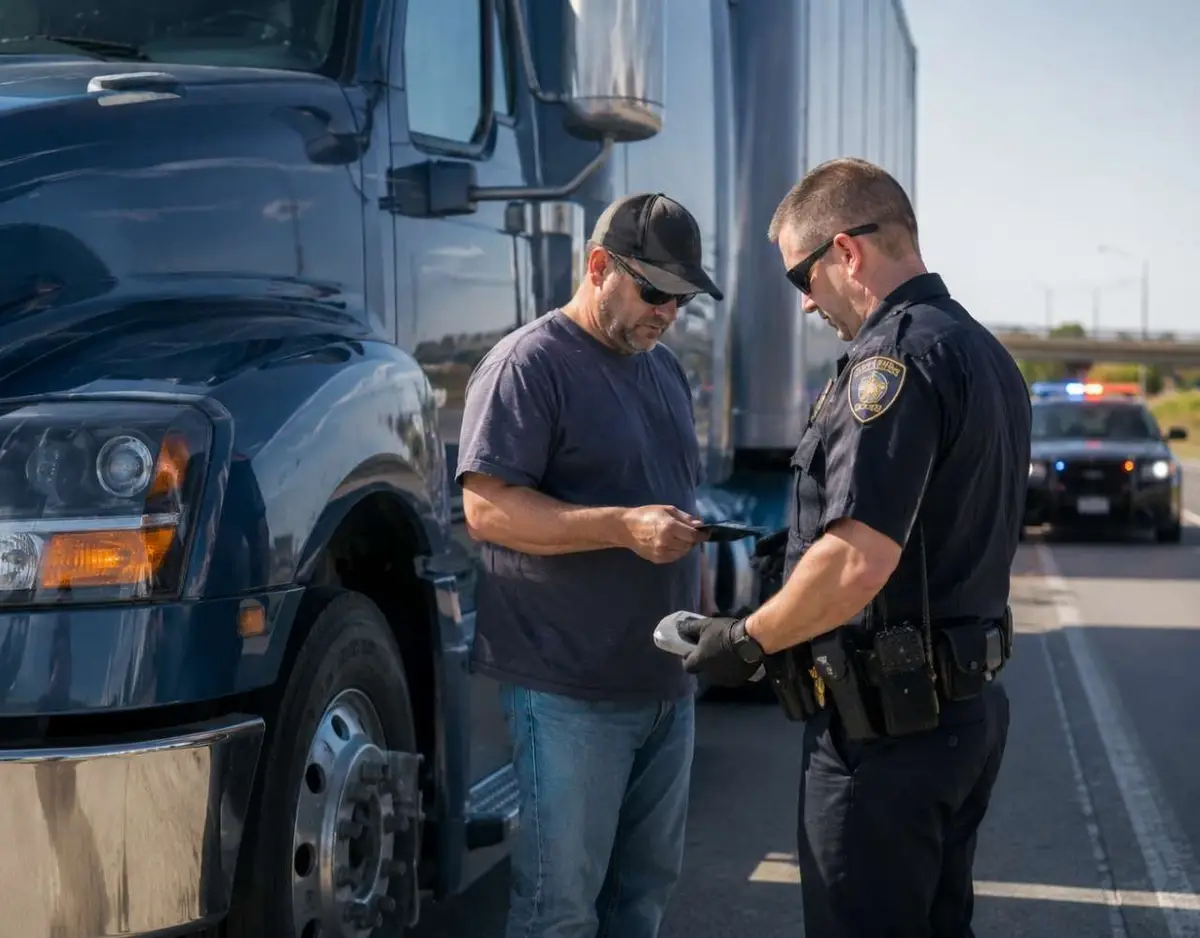
- 0.04% for commercial drivers
- Any detectable alcohol for drivers under 21
That said, blood alcohol numbers do not tell the whole story. Breath test results, blood test results, and the arresting officer’s observations must all meet strict legal standards. If they do not, the case can be challenged.
What Happens After a DUI Arrest
A DUI arrest usually begins with a traffic stop. The police officer must have reasonable suspicion or probable cause to stop your vehicle. Without it, the stop may be unconstitutional under the Fourth Amendment.
After the stop, law enforcement may:
- Ask questions about drinking
- Conduct field sobriety tests
- Request a breath test or a blood test
- Place you under arrest and transport you to the station
In addition to the criminal case, you may face immediate consequences such as license suspension, limits on driving privileges, or even having your license revoked. These penalties often begin before you ever step into a courtroom.
Learn More: Penalties for drinking and driving
Common Mistakes People Make After a DUI Arrest
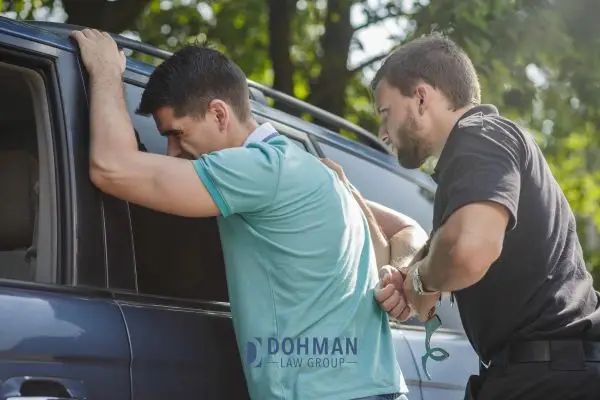
We see the same mistakes over and over again, and they often hurt otherwise defensible cases. Common errors include:
- Talking too much to law enforcement
- Assuming the case is automatic and hopeless
- Missing deadlines to challenge the license suspension
- Pleading guilty too early
- Not contacting a DUI lawyer right away
The sooner a defense attorney gets involved, the more options you usually have.
How DUI Cases Are Beaten in Illinois
There is no single way to beat a DUI, but successful cases often share one thing in common: weak or flawed evidence. DUI defense is about identifying those weaknesses and using them strategically.
Challenging the Traffic Stop
Every DUI case starts with a traffic stop or a DUI checkpoint, and that stop must be legal. We carefully review:
- Whether the officer had reasonable suspicion
- Whether probable cause existed
- Whether the stop violated your Fourth Amendment rights
If the stop was unlawful, we may file a motion to suppress evidence. If that motion succeeds, key prosecution evidence may be excluded from the case.
Learn More: Common mistakes police officers make during DUI stops
Questioning Field Sobriety Tests

Standard field sobriety tests are far more subjective than most people realize. These tests include the walk-and-turn and one-leg stand tests.
Many factors can affect performance, such as:
- Uneven pavement or poor lighting
- Stress and nervousness
- Fatigue or footwear
- Medical conditions affecting balance or coordination
Body cameras and video recording often reveal that these tests were not administered correctly or were unfairly judged.
Challenging Breath Test Results
Breath testing devices are sensitive instruments, and errors are common. We look closely at:
- Whether the breathalyzer was properly calibrated
- Whether the required observation period was followed
- Whether mouth alcohol affected the reading
- Whether acid reflux or other conditions caused false results
Breathalyzer results are only valid when strict procedures are followed. When they are not, the results can be challenged.
Challenging Blood Tests and Blood Samples
Blood testing may sound scientific, but it is not foolproof. Blood test results can be affected by:
- Improper collection of the blood sample
- Errors in storage or transport
- Breaks in the chain of custody
- Laboratory mistakes
Even small handling errors can make blood alcohol readings unreliable. In many cases, expert witnesses help expose these flaws.
Police Conduct and Constitutional Violations

We also examine whether law enforcement respected your legal rights throughout the process. This includes:
- Failure to give Miranda warnings
- Improper questioning after arrest
- Illegal searches or seizures
- Police misconduct
If your rights were violated, we may seek to suppress evidence or statements obtained in violation of your rights.
Fighting License Suspension
Many people are surprised to learn that a license suspension is separate from the criminal case. Under Illinois implied consent laws, refusing or failing a chemical test can trigger automatic penalties.
We help clients protect their driving privileges by:
- Challenging statutory summary suspension
- Seeking restricted driving permits
- Fighting implied consent violations
Protecting your driver’s license is often one of the most urgent parts of a DUI defense.
Possible Outcomes in a DUI Case
Depending on the evidence and defense strategy, possible outcomes include:
- Case dismissal
- Suppressed evidence
- Reduced charges, such as reckless driving
- Court supervision
- Not guilty verdict at jury trial
Avoiding a drunk driving conviction can prevent long-term damage to your record and reputation.
How a DUI Lawyer Builds Your Defense
A strong DUI defense lawyer does much more than appear in court. We:
- Conduct a full criminal case review
- Analyze prosecution evidence
- Review body camera footage
- Consult expert witnesses
- File suppression motions
- Prepare for trial or plea bargaining
Sometimes a plea bargain is the right solution. Other times, taking the case to trial is the best path forward.
Trial Versus Plea Bargaining
Not every case should be resolved the same way. At a jury trial, the prosecution must prove guilt beyond a reasonable doubt. Weak evidence, unreliable tests, or improper police conduct can lead to exoneration.
An experienced DUI attorney helps you decide when to negotiate and when to fight.
Why You Should Not Face a DUI Alone

A DUI conviction can impact:
- Employment opportunities
- Insurance rates
- Professional licenses
- Travel
- Your permanent criminal record
Working with experienced criminal justice lawyers gives you the best chance to protect your future.
What to Do Right Now
If you are facing impaired driving charges:
- Avoid discussing your case publicly
- Write down everything you remember
- Act quickly to protect your license
- Seek legal advice immediately
Final Thoughts: You Still Have Options
A DUI charge is serious, but it does not have to define your life. The right defense strategies, applied early and correctly, can change the outcome of your case. At Dohman Law, we focus on protecting your rights, challenging weak evidence, and helping clients move forward with confidence. If you are facing a DUI in Illinois and wondering how to beat it, we are here to help.
Contact Dohman Law today to speak with a dedicated DUI defense lawyer and take the first step toward protecting your license, your freedom, and your future.