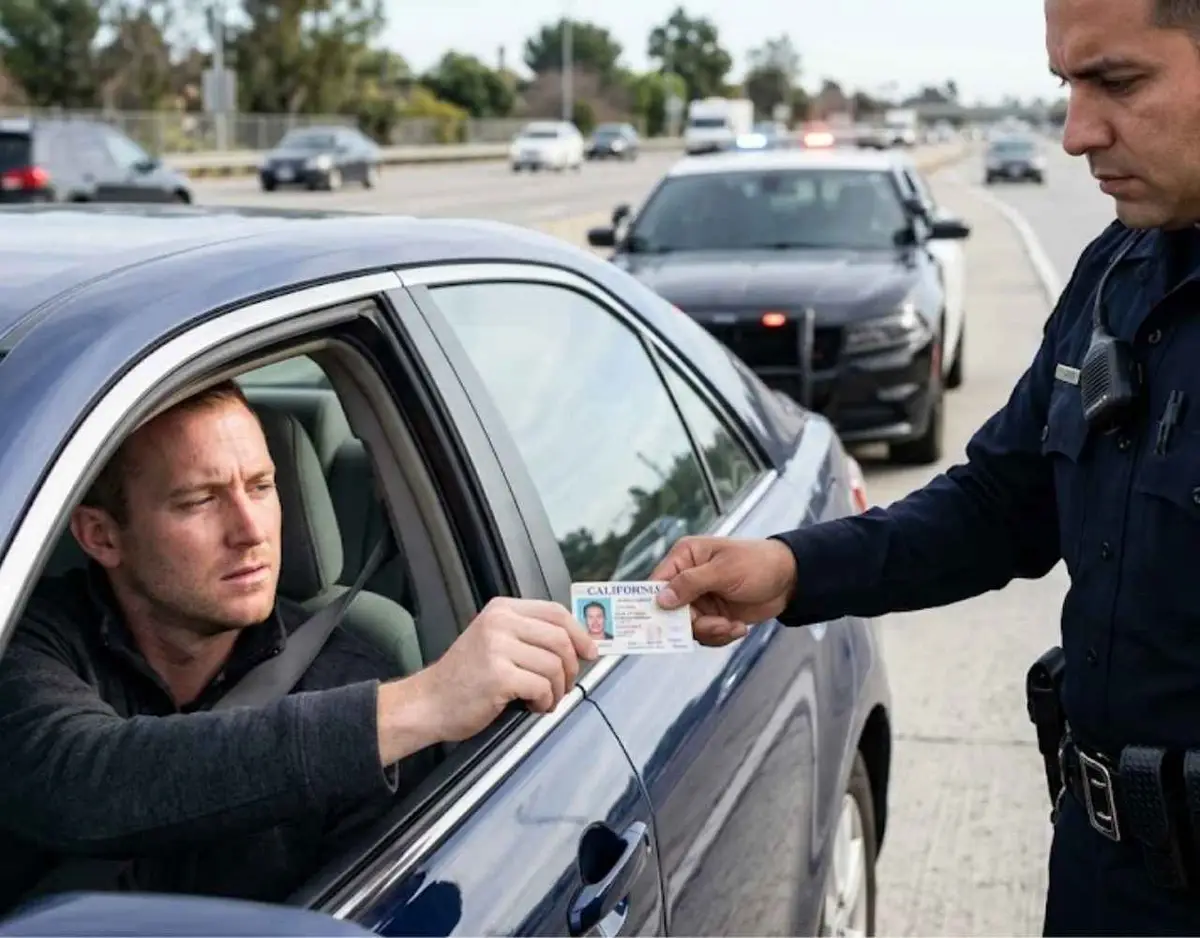
Each drunk driving arrest can have severe penalties because criminal penalties increase with each DUI charge. However, each drunk driving case is unique and the charges vary with the circumstances of each DUI case. Enhanced DUI penalties occur when a child under 16 is in the vehicle or if your blood alcohol content (BAC) is double the legal limit. Depending on the circumstances of your DUI arrest, a DUI conviction can have severe consequences.
In Illinois, DUI charges are serious offenses. Thus, DUI convictions remain a part of your permanent driving record and may affect future sentencing; however, the period between drunk driving convictions may influence the length of time your driver’s license is revoked. If you or a loved one has been charged with a DUI offense in Illinois, our experienced Rolling Meadows DUI criminal defense attorneys can help you keep a clean driving record. To schedule a free initial consultation, call our criminal defense law firm today at (847) 616-9993, or chat with us online to learn how we can help.
How Long Does a DUI Affect Your Insurance in Illinois?
Driving under the influence of alcohol or drug charges remains on your driving record forever in Illinois. And thus a DUI conviction will also remain on your insurance record. However, it depends on where you live as to whether an intoxicated driving charge will remain on your insurance for a specified period of time. On average, most DUI offenders should expect to pay higher insurance rates for 3 to 5 years. This is because insurance companies view you as a risk and believe you’re getting involved in a motor vehicle accident.
In most states, including Illinois, getting caught driving drunk leads to a mandatory driver’s license suspension. And even though you’re allowed to keep your driver’s license, the infraction will go on your public driving record with the DMV. If you’re a commercial driver, this could make it difficult to get a job. Also, after a DUI conviction, car insurance costs will rise significantly. On average, a person with a clean record pays $140/month for auto insurance, but drivers with just one DUI conviction pay a whopping $230/month on average. That’s an 89% increase in auto insurance cost.
How Long Does a DUI Stay on Your Record in Illinois?
In Illinois, any alcohol or drug criminal offense, including a DUI, will remain on a person’s record forever. If you’re convicted of driving under the influence of alcohol or drugs, your driving privileges will be revoked for a minimum of one year for a first-time DUI criminal offense.

A drunk driving conviction in Illinois will stay on your driving record for life. Although the period between drunk driving charges can change the consequences of subsequent DUI offenses, your first DUI offense will always be viewed as a prior offense. Further, in Illinois, the only way to get a DUI conviction expunged is through a governor’s pardon. If you went to a DUI trial and were found “not guilty,” you can have the DUI arrest expunged.
Does a DUI Ruin Your Life?
Driving intoxicated under the influence of drugs or alcohol is illegal in the U.S. But the severity of the criminal penalty varies from state to state. If you’re caught driving while impaired, often defined as driving with a blood alcohol limit at or above 0.08 the DUI charge will also appear on your driving record, in addition to other legal trouble. Also, a DUI will appear on your public criminal record. These two records follow you for your entire life, and any DUI convictions can make it difficult for you to get a driver’s license.
Usually, a DUI criminal charge can cause a license suspension and you may have to serve jail time or receive probation according to your DUI charges, carry SR-22 insurance, pay fines, and legal/license reinstatement fees. A first-time DUI charge is a misdemeanor offense; however, depending on your blood alcohol concentration or if there was any reckless driving involved, you may be charged with a felony offense. A previous DUI conviction or multiple DUI charges can increase the odds of you getting a criminal conviction and mandatory jail time.
Again, a DUI conviction will cause your insurance rates to increase. Since a DUI is a criminal offense, it can also affect your ability to find a new job. You will have to disclose it to any potential employer during your job application. Most state laws allow for imprisonment for a drunk driving conviction. However, this punishment is normally at the discretion of the criminal court. An Rolling Meadows DUI defense attorney can help you get a lesser charge or with any expungement.
Most states often use a points system to track traffic violations, and a DUI is a serious moving violation. States that use a points system assess high points for a DUI, while other states, including Illinois, will suspend your driver’s license for a DUI or you may be subject to other criminal penalties instead of assessing points.
The duration of a DUI will affect a driver’s driving record also varies by state. Often, impaired driving will affect your driving record for anywhere from five to 10 years, and in Illinois, a DUI will affect your driving record permanently. Thus, a DUI charge can have a significant impact on your life, and it can even ruin your life because it may affect your ability to find a job.
Do You Lose Your License for First DUI in Illinois?
If you’re arrested for intoxicated driving and fail the chemical testing, you may be subject to automatic license suspension for six months for a first offense or one year for a subsequent offense within five years. This is separate from the criminal charges. And it happens automatically, even if you aren’t eventually convicted. Here, the look-back period is five years.
After five years, failing chemical testing is deemed as a first-time DUI offense for the statutory summary suspension only. Any DUI convictions arising from the failed chemical test will take into consideration all previous DUI convictions.
If you’re arrested for driving under the influence of alcohol or drugs and refuse chemical testing, your driving privileges will be automatically suspended for one year for a first-time offense and three years for a subsequent DUI offense within five years. Again, this is separate from the criminal charges and happens automatically even though you aren’t convicted, eventually. Again, the lookback period is five years. After five years, a chemical testing refusal will be treated as a first-time offense for the statutory summary suspension only. And any DUI conviction resulting from the DUI arrest will take into consideration all previous DUI convictions.
Once the license suspension period is over, you have to pay a license reinstatement fee to the Secretary of State’s office before your driving privileges can be reinstated.
Further, a first-time DUI conviction results in a year of license revocation. After the one-year license revocation period is over, you must attend an Illinois Secretary of State hearing to get your driver’s license reinstated.
A second-time DUI conviction within 20 years causes a five-year revocation of driving privileges. Once the five-year period is over, you must attend an Illinois Secretary of State hearing to reinstate your driving privileges. Here, a 20 year look-back period is considered when determining the period of license revocation.
A third-time DUI conviction causes a ten-year license revocation period, regardless of the time between the DUI convictions. After the ten-year period, you must attend an Illinois Secretary of State hearing to get your driver’s license reinstated.
A fourth DUI conviction causes a permanent revocation of driving privileges, regardless of the time between DUI convictions.
What is the DUI Lookback Period in Illinois?
Drunk driving charges always remain on your permanent Illinois criminal record. Any DUI conviction can be considered when the court determines your sentence. In Illinois, court-ordered supervision is a one-time opportunity. There’s a 20-year lookback period for a second-time DUI driver’s license revocation. There’s a 5-year lookback period for Statutory Summary Suspensions. A drunk driving conviction results in loss of driving privileges, hefty fines, and possible jail time. If you’re arrested for DUI, you must consult a DUI criminal attorney as soon as possible.
Contact Our Experienced Chicago DUI Criminal Defense Lawyers Today for Legal Advice!
If you or a loved one has been charged with driving under the influence of alcohol or drugs, contact a knowledgeable DUI criminal defense attorney today. At Dohman Law Group, we have extensive experience defending clients charged with DUI in Cook County, Dupage County, Lake County, Kane County, Will County, and throughout Illinois, and we can help you beat your DUI charges. Call us today at (847) 616-9993, or chat with us online to schedule your initial free consultation.