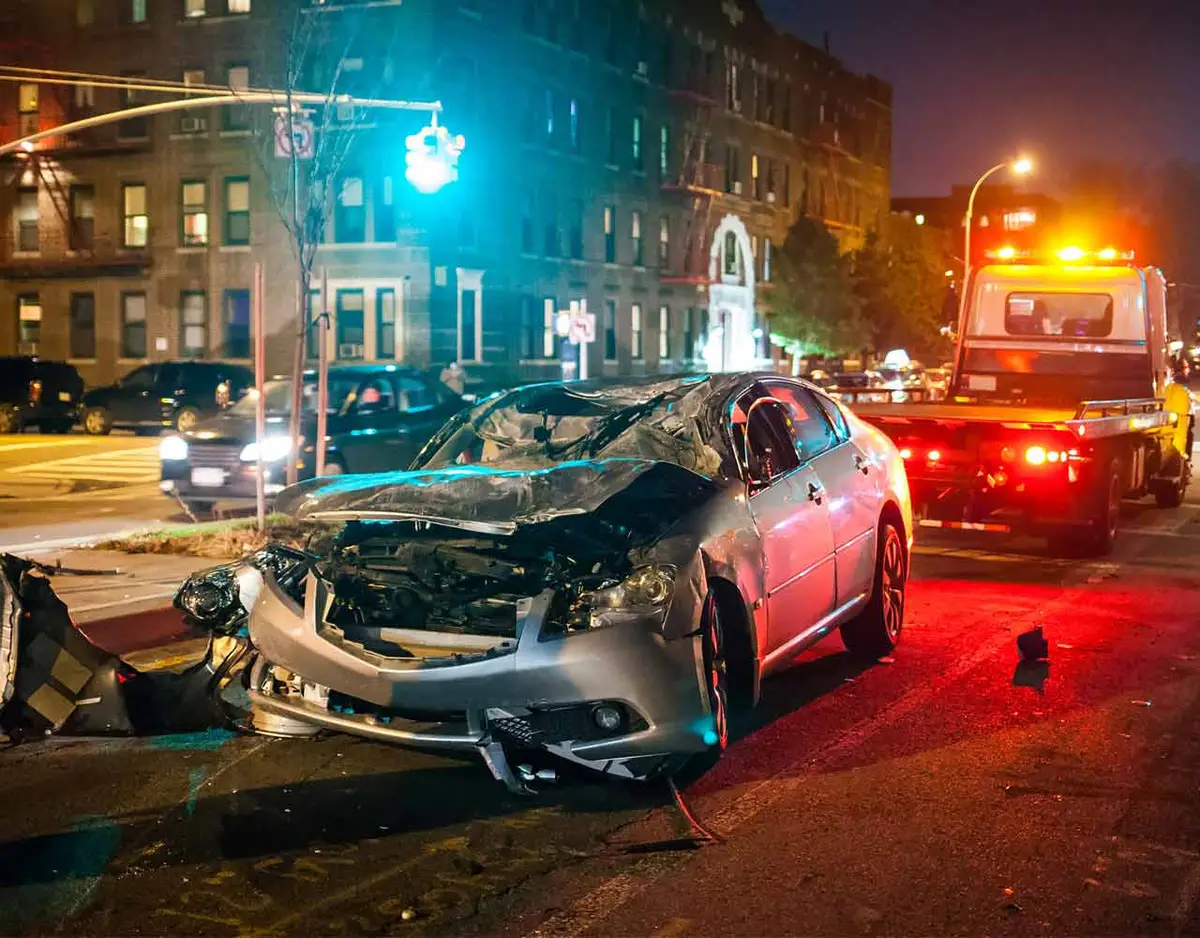
After a DUI arrest, one of the first questions we hear is, “How do I get my license back?” For many people, losing an Illinois driver’s license is more than an inconvenience. It affects your ability to get to work, take care of your family, attend school, and handle everyday responsibilities. When your driving privileges are taken away, it can feel like your life has been put on hold.
The license reinstatement process can be confusing. Between the Illinois Secretary of State, court proceedings, and strict deadlines, many drivers are unsure where to begin or what steps are most important. The good news is that Illinois provides a clear reinstatement process, and with the right guidance, it is possible to restore your driver’s license and move forward after a DUI.
If you are dealing with a suspended license, Dohman Law Group is here to help. Contact us today to get trusted legal support and take the first step toward restoring your driving privileges.
Understanding Illinois DUI License Suspensions and Revocations
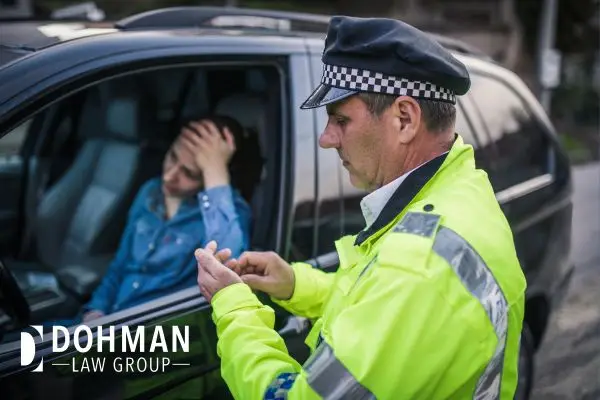
In Illinois, driver’s license penalties are handled by the Illinois Secretary of State, not by the criminal court. This means your driving privileges may be affected even before your criminal charges are resolved.
There are two primary types of license penalties after a DUI:
- Statutory summary suspension
- License revocation
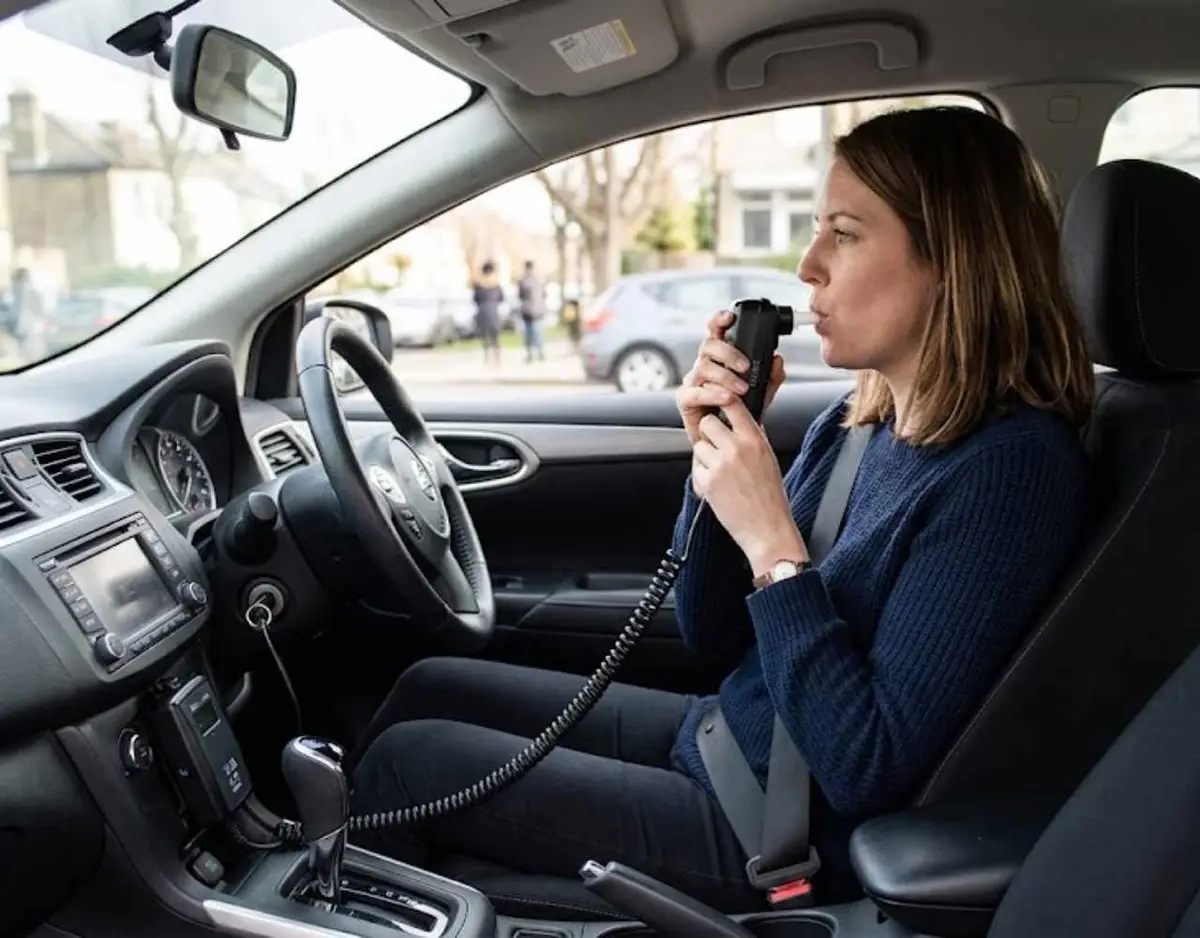
A statutory summary suspension occurs when a driver fails or refuses a chemical test, breathalyzer test, or other chemical testing after a DUI arrest. This driver’s license suspension usually begins 46 days after the arrest.
A license revocation is more serious and is typically tied to DUI convictions. A DUI revocation means your Illinois driver’s license is taken away until you complete the reinstatement process and demonstrate reinstatement eligibility.
Factors that influence these penalties include:
- Blood alcohol concentration
- Prior DUI convictions or traffic violations
- Refusal of chemical testing
- Whether injuries or property damage occurred
Understanding whether you are dealing with a driver’s license suspension or a full DUI revocation is an important first step in the Illinois license reinstatement process.
Illinois law strictly governs DUI penalties, including driver’s license revocation periods and ignition interlock requirements, under the Illinois Vehicle Code.
Challenging a License Suspension Through a Statutory Summary Suspension Hearing
Many drivers do not realize that a statutory summary suspension can sometimes be challenged. This requires requesting a hearing in court, often referred to as a rescission hearing.
At this hearing, we may challenge issues such as:
- Whether the officer had legal grounds for the traffic stop
- Whether the chemical test was properly administered
- Whether the breath alcohol ignition interlock or breath monitoring device procedures were followed correctly
If successful, this hearing can prevent the suspension from taking effect and preserve your driving privileges. Even when the suspension is not lifted, this process often helps strengthen your position later during the reinstatement hearing. Legal representation is especially important here, as missed deadlines or procedural errors can delay your Illinois driver’s license reinstatement.
Restricted Driving Permits, MDDPs, and Other Driving Options

Even if your license is suspended or revoked, Illinois may allow limited driving privileges under certain conditions. Several permits may be available depending on your case.
These options can include:
- Monitoring device driving permit
- Restricted driving permits
- Probationary permits
- Illinois BMO permit for breath monitoring
- Conditional discharge of driving privileges in limited circumstances
Most drivers approved for these permits must install a breath alcohol ignition interlock device, also called an ignition interlock device, interlock device, BAIID device, or BID device. This device requires a clean breath sample before the vehicle will start.
Strict compliance is required. Missed calibrations, failed tests, or negative BID device reports can extend your license suspension and delay the reinstatement process. We help our clients understand these requirements so they do not unintentionally set themselves back.
The Steps to Reinstate Your Illinois Driver’s License
Reinstating your Illinois driver’s license after a DUI is a step-by-step process. Each requirement builds on the last, and missing even one step can delay your approval. We guide our clients through this process carefully so nothing is overlooked.
1. Obtain Your Driving Record or Driving Abstract
The first step is getting a copy of your driving record, sometimes called a driving abstract. This document shows your full driving history, including DUI convictions, license suspension or license revocation periods, and prior traffic violations. The Illinois Secretary of State uses this record to determine your reinstatement eligibility.
2. Complete an Alcohol and Drug Evaluation
You must complete an alcohol and drug evaluation, also called an alcohol/drug evaluation or alcohol evaluation, with a licensed provider. This evaluation helps determine whether alcohol treatment, DUI education, or additional services are required. The results play a major role in your reinstatement hearing.
3. Finish All Required Treatment and Education
Based on your evaluation, you may need to complete alcohol treatment, DUI education, or both. Some drivers are also required to complete community service. All recommended programs must be finished before moving forward, and you must keep proof of completion as part of your DUI treatment documentation.
4. Gather Your Reinstatement Documents
Before requesting a hearing, you must gather all required reinstatement documents. These often include proof of completed treatment, DUI education records, evaluation results, and any required out-of-state DUI conviction documents or out-of-state packets. Having complete paperwork is critical to avoiding delays.
5. Request a Reinstatement Hearing
Next, you must request a reinstatement hearing with the Illinois Secretary of State. Depending on your history, this will be either a formal hearing or an informal hearing. At the hearing, a hearing officer reviews your driving record, criminal charges, treatment compliance, and overall readiness to safely return to the road.
6. Attend the Hearing and Receive a Decision
At the reinstatement hearing, the hearing officer evaluates whether you are a low risk to drive again. The hearing outcome may approve full reinstatement, grant restricted driving permits, or deny reinstatement and require a waiting period before reapplying.
7. Pay the Reinstatement Fee and Secure SR-22 Insurance
If approved, you must pay the reinstatement fee Illinois requires and file proof of SR-22 insurance, also called an SR-22 insurance certificate. This insurance is mandatory and must be maintained for the required period.
8. Visit a Driver Services Facility to Finalize Reinstatement
The final step is visiting a driver services facility to complete the reinstatement process. Once everything is processed and approved, your Illinois driver’s license will be reinstated, and your full driving privileges can be restored.
Learn More: How long do you lose your license for a DUI in Illinois
Formal vs. Informal Reinstatement Hearings

Formal hearings are required for more serious cases, including multiple DUI convictions, lengthy DUI revocation periods, or prior reinstatement denials. These hearings involve sworn testimony and strict procedures.
Informal hearings are less complex but still require thorough documentation. In both types of hearings, the hearing officer evaluates:
- Your alcohol treatment progress
- Compliance with prior permits or monitoring devices
- Risk of repeat driving under the influence
- Overall driving history and safety concerns
We work closely with clients to prepare them for these hearings because even small mistakes can result in denial and extended license revocation periods.
Reinstatement Fees, Insurance, and Final Approval
After approval, all outstanding requirements must be satisfied. This includes paying the reinstatement fee, submitting proof of SR-22 insurance, and confirming compliance with any prior permits or interlock requirements. Once the Illinois Secretary of State confirms everything is complete, your Illinois driver’s license will be reinstated.
For many drivers, this moment represents a true life-changer. After months or even years without full driving privileges, reinstatement allows you to begin moving on with stability and confidence.
Legal Support Makes All the Difference

At Dohman Law Group, we help clients navigate Illinois license reinstatement with confidence. We focus on protecting your driving privileges, preparing strong reinstatement cases, and helping you move forward after a DUI. Whether you are dealing with a license suspension, a DUI revocation, or simply trying to understand how to get my license unsuspended, having experienced legal support can make a meaningful difference in the outcome.
If you need help with Illinois driver’s license reinstatement, contact Dohman Law Group today to take the first step toward restoring your driver’s license and regaining your independence.