An Illinois DUI arrest can put your driving privileges on hold within days, often before you have even hired an attorney. If you took a breath test, the Illinois Secretary of State has likely already started a statutory summary suspension, and a breath alcohol ignition interlock device, known as a BAIID, is usually the fastest legal way back behind the wheel while it runs its course. This guide covers what a BAIID is, who needs one, what it costs, and what happens if something goes wrong.
Dohman Law Group has defended DUI and traffic clients across Cook, DuPage, Kane, and Lake counties for more than 40 years. If a suspension notice just landed in your mailbox, do not try to sort out your options alone. Contact us for a free consultation, and we will walk through your timeline and your permit options.
What Is a Breath Alcohol Ignition Interlock Device?
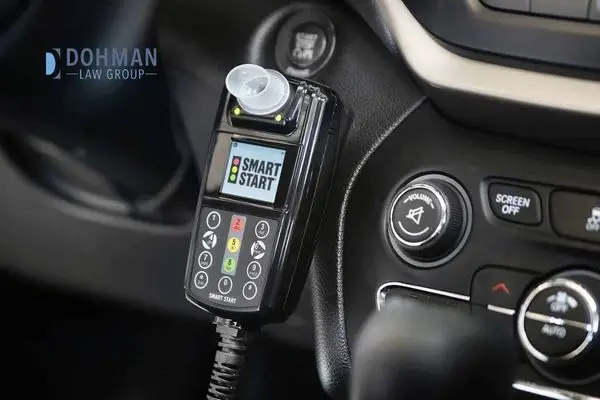
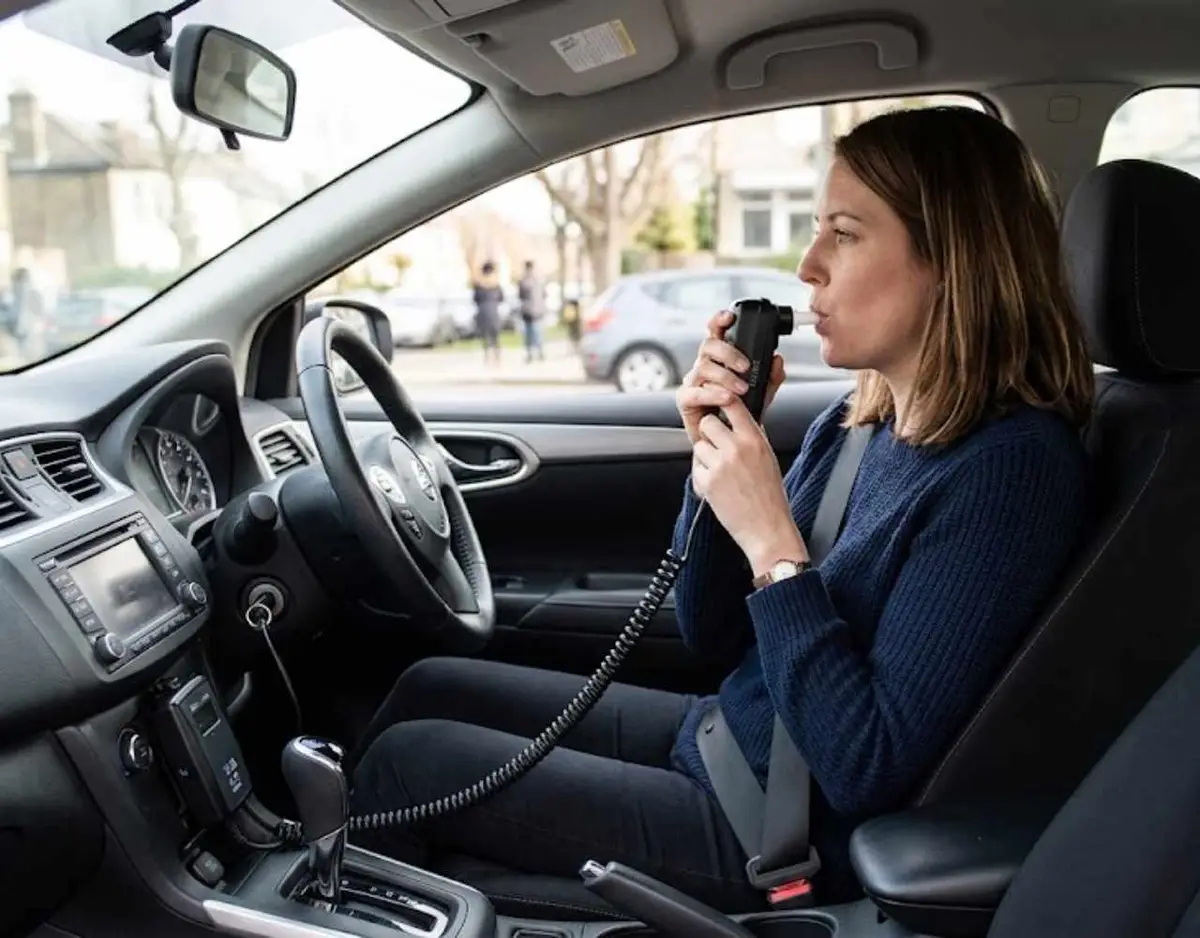
A breath alcohol ignition interlock device is a small breath analyzer wired into a vehicle’s ignition system. Before the engine will start, the driver has to blow into the device. If the reading comes back above the programmed breath alcohol concentration limit, the car will not start.
The device keeps working once you are driving. It calls for random rolling retests while the vehicle is in motion, and it takes a photo of whoever provides each sample. Every result, along with any missed test or attempt to bypass the device, gets logged and reported to the Illinois Secretary of State.
Most Illinois drivers who install a BAIID do it because a Monitoring Device Driving Permit or a Restricted Driving Permit requires it. Both permits let a suspended or revoked driver keep some driving privileges, but they apply to different drivers and work in different ways.
How a DUI Arrest Leads to a BAIID Requirement
The process usually starts with a traffic stop. If an officer suspects drunk driving, the law enforcement report that follows typically documents field sobriety results and a request for chemical testing, most often a breath test.
Under Illinois’s implied consent law, refusing that test carries its own suspension, separate from any DUI conviction. Whether you test over the legal limit or refuse the test, the Secretary of State can move to suspend your license within days of the arrest, long before the criminal case is resolved. That suspension, called a statutory summary suspension, is what puts a BAIID on the table in the first place.
Who Needs a BAIID After an Illinois DUI Arrest
Whether you install a BAIID, and under which permit, depends mostly on your DUI history and how the arrest was handled.
First-Time Offenders and the Monitoring Device Driving Permit
If this is your first DUI arrest and you took a breath test, Illinois law allows you to apply for a Monitoring Device Driving Permit shortly after your suspension begins. The MDDP lets you drive almost anywhere, at almost any time, as long as every vehicle you drive has a working BAIID installed. For the fuller picture of what a first arrest means for your license and your case, see what to expect after a first-time DUI arrest.
A few MDDP details worth knowing:
- It only applies to first offenders under a statutory summary suspension, not repeat DUI offenders.
- The BAIID has to be installed within 14 days of the date the Secretary of State issues the permit.
- The state charges an administration fee of up to $30 a month, on top of whatever your BAIID vendor bills you directly.
- You cannot drive a commercial motor vehicle on an MDDP, and only narrow exceptions exist for certain employer-owned vehicles and farm equipment.
Repeat Offenders and the Restricted Driving Permit
If you have a prior DUI, a revoked license, or you refused testing, the state does not offer an MDDP. Instead, you may qualify for a Restricted Driving Permit through a hearing with the Secretary of State’s Administrative Hearings Department. Most DUI-related RDPs still require a BAIID, and the hearing process asks for more documentation than an MDDP application does. See how a restricted driving permit works for eligibility rules and what the hearing itself involves.
MDDP vs. RDP at a Glance
| Monitoring Device Driving Permit (MDDP) | Restricted Driving Permit (RDP) | |
|---|---|---|
| Who qualifies | First-time offenders under a statutory summary suspension | Repeat offenders, revoked licenses, or after an MDDP is canceled |
| How you get it | Apply directly through the Secretary of State, no hearing required | Formal (or in limited cases, informal) hearing before a Secretary of State hearing officer |
| BAIID required | Yes, in almost every case | Yes, in almost every DUI-related case |
| Where you can drive | Almost anywhere, almost any time | Defined by the hearing officer, often for work, school, or medical needs |
How the BAIID Program Works Day to Day
Once installed, a BAIID becomes part of your daily routine, not a one-time step.
- A certified technician installs the device at a scheduled installation appointment, typically at a shop approved by your chosen vendor.
- You blow into the device before the engine starts, then again at random points while driving, known as rolling retests.
- Every passed test, failed test, missed retest, and attempted bypass gets logged and reported to the state.
- The device returns to the shop for calibration on a set schedule. Skipping a calibration appointment counts against you the same as a failed test.
Most day-to-day issues, like a scheduling question or a device error message, go through your vendor’s customer service line rather than the Secretary of State directly.
What a BAIID Installation and Monitoring Typically Costs

Pricing comes from the interlock vendor, not the state, so the exact numbers vary by provider and by county. As a general range, Illinois drivers commonly see:
- An installation fee, often somewhere between $70 and $200
- A monthly monitoring and rental fee, often between $60 and $150
- A separate Secretary of State administration fee of up to $30 a month for MDDP holders
- A removal fee once the device comes out
These figures move often, so confirm current pricing directly with an approved installer before you schedule anything. See what a BAIID actually costs for a fuller breakdown, including how Illinois’s indigent BAIID program can cover installation and monitoring fees for drivers who qualify.
What Happens If You Fail a Retest or Miss a Calibration
A BAIID violation does not always mean a failed breath sample. Missing a calibration appointment, tampering with the device, or failing to prove the device is installed can all count against you the same way a failed retest does.
Illinois law lays out escalating consequences under 625 ILCS 5/6-206.1:
How BAIID Violations Escalate
| Violation | What Happens |
|---|---|
| 1st violation | Suspension period extends by 3 months; you can contest it at a hearing |
| 2nd violation (or a new violation found after the suspension already ended) | A new 3 month suspension begins; only an MDDP is available during it |
| 3rd combined extension or new suspension | Your vehicle can be impounded for 30 days, at your expense |
| 4th combined extension or new suspension | Your vehicle can be seized and subject to forfeiture |
| MDDP canceled outright (a separate DUI arrest, unauthorized device removal, and similar) | A new suspension of at least double the original length begins, and only an RDP with a BAIID restores driving privileges |
Read our full breakdown of what happens if you fail a BAIID test for what counts as a failure, common causes of a false reading, and how a violation can affect probation.
How Long Illinois Drivers Stay in the BAIID Program
How long you need the device depends on your suspension length, which depends on your history and whether you tested or refused.
- A first offense with a failed test typically carries a 6-month statutory summary suspension.
- A first offense with a refused test typically carries a 12-month suspension.
- A second or subsequent offense carries longer suspensions, and refusing the test again extends that further.
Any BAIID violation can add time on top of these numbers through the extensions described above.
Other Requirements That Often Come With Driving Relief
A BAIID rarely stands alone. Depending on your case, you may also need to handle:
- An alcohol and drug evaluation, which can lead to a required substance abuse treatment program or education class
- SR-22 insurance, which most insurers require before restoring full driving privileges once your BAIID period ends
- Keeping your vehicle registration current and matched to the vehicle listed on your permit
- Any blood alcohol concentration issues raised in the underlying DUI charge itself
It helps to keep two tracks separate here. Administrative penalties, like your suspension and BAIID requirement, come from the Secretary of State and run on their own schedule. Legal penalties from the DUI charge itself, including any criminal penalties such as fines, probation, or in some cases jail time, come from the court case and move on a separate timeline. If you are already on DUI probation when a BAIID violation happens, the stakes go up on both fronts at once. Our page on Illinois blood alcohol concentration limits covers how the number on your breath test connects to the criminal charge.
Steps to Take After a DUI Arrest in Illinois

- Confirm the type and start date of your suspension so you know your deadlines.
- Apply for an MDDP, or request an RDP hearing, as soon as you are eligible. Delays only push back the day you can drive again.
- Schedule your installation appointment with an approved BAIID vendor right away, and keep the 14-day MDDP clock in mind.
- Keep every receipt, calibration record, and test report your vendor gives you.
- Talk with a DUI defense attorney before your court date. The criminal case and the license suspension move on separate tracks, and a mistake on one can affect the other.
Getting Back on the Road Across Cook, DuPage, Kane, and Lake Counties
A BAIID gets you moving again, but it does not resolve the DUI case sitting underneath it. The suspension, the permit application, and the criminal charge all move on their own timelines, and a misstep on any one of them can stretch out how long you need the device.
Dohman Law Group has represented DUI and traffic clients out of our Rolling Meadows, Wheaton, and Geneva offices for more than 40 years, and DUI and traffic defense is what we handle, not one practice area among many. Michelle Gresko’s background as a former prosecutor gives our Kane and DuPage clients a firsthand read on how the other side approaches a case.
Contact Dohman Law Group to talk through your MDDP or RDP application, a BAIID violation you did not expect, or the DUI charge behind it all. We offer a free consultation, and there is no cost to find out exactly where you stand.
Frequently Asked Questions
Not always. You only need one if you want driving relief through an MDDP or RDP during your suspension.
It depends on your suspension. A first offense often runs 6 months for a failed test or 12 months for a refusal, and violations can add more time.
Yes. Illinois runs an indigent BAIID program that covers installation and monitoring for drivers who qualify, though fees like lockout resets may still apply.
A failed retest, a missed calibration, tampering with the device, or failing to prove it is installed all count as violations.
Not directly, but the suspension behind it usually does. Most insurers require an SR-22 insurance before restoring full driving privileges.
Generally, no. The device is tied to your permit, and letting someone else start the car can count as a violation.