When a driver is pulled over for suspected DUI, a common question is whether body cam footage in Illinois can be used as evidence. In most cases, the answer is yes.
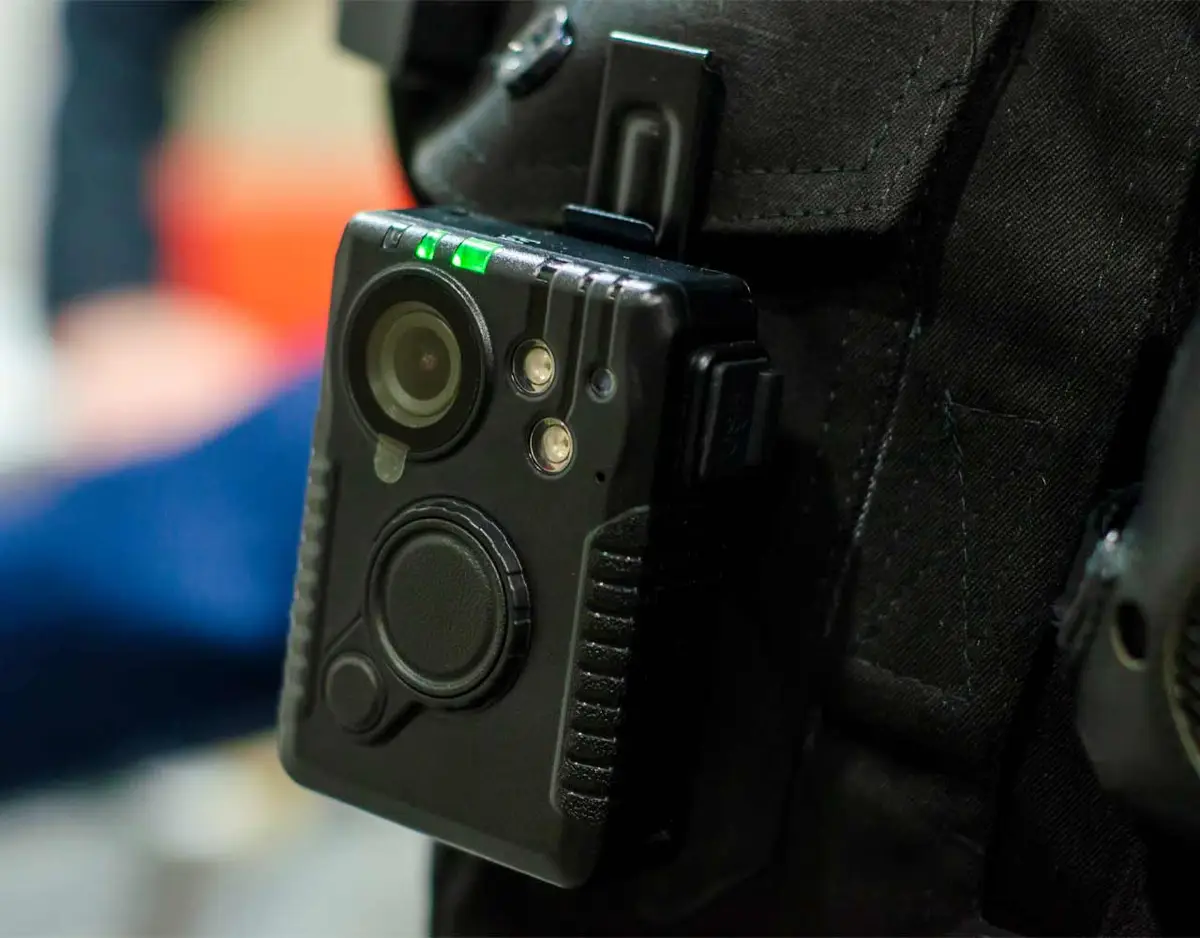
Video from a body-worn camera is often a key part of a DUI investigation. Under Illinois law, officers use these cameras during traffic stops to document interactions, observations, and testing procedures. This footage can show how the stop began, what the officer observed, and how the driver responded.
Because of its importance, reviewing this footage with a DUI lawyer can help you understand how it may impact your case. Depending on what it captures, body cam footage may support the prosecution or raise questions about how the stop and investigation were handled.
What Is Bodycam Footage in a DUI Case?
Bodycam footage refers to video and audio recordings captured by a body-worn camera that police officers carry during interactions with the public. In DUI cases, these cameras are typically activated during a traffic stop and continue recording throughout the investigation.
Officers may also rely on dash cam footage, which records what happens in front of the patrol vehicle. While dash cameras capture the initial stop, body cameras provide a closer and more detailed view of interactions between the officer and the driver, including conversations and instructions.
Learn More: 6 Things You Should Know About a DUI Stop
How Illinois Police Use These Cameras
Law enforcement agencies such as the Chicago Police Department and the Illinois State Police commonly use both body cameras and dash cameras as part of standard procedure. These systems are designed to create a clear record of the driver’s behavior, the officer’s actions, and the sequence of events during a DUI stop.
Because bodycam footage captures events as they happen, it is often viewed as more reliable than written reports alone.
Can Body Cam Footage Be Used in Your DUI Case?
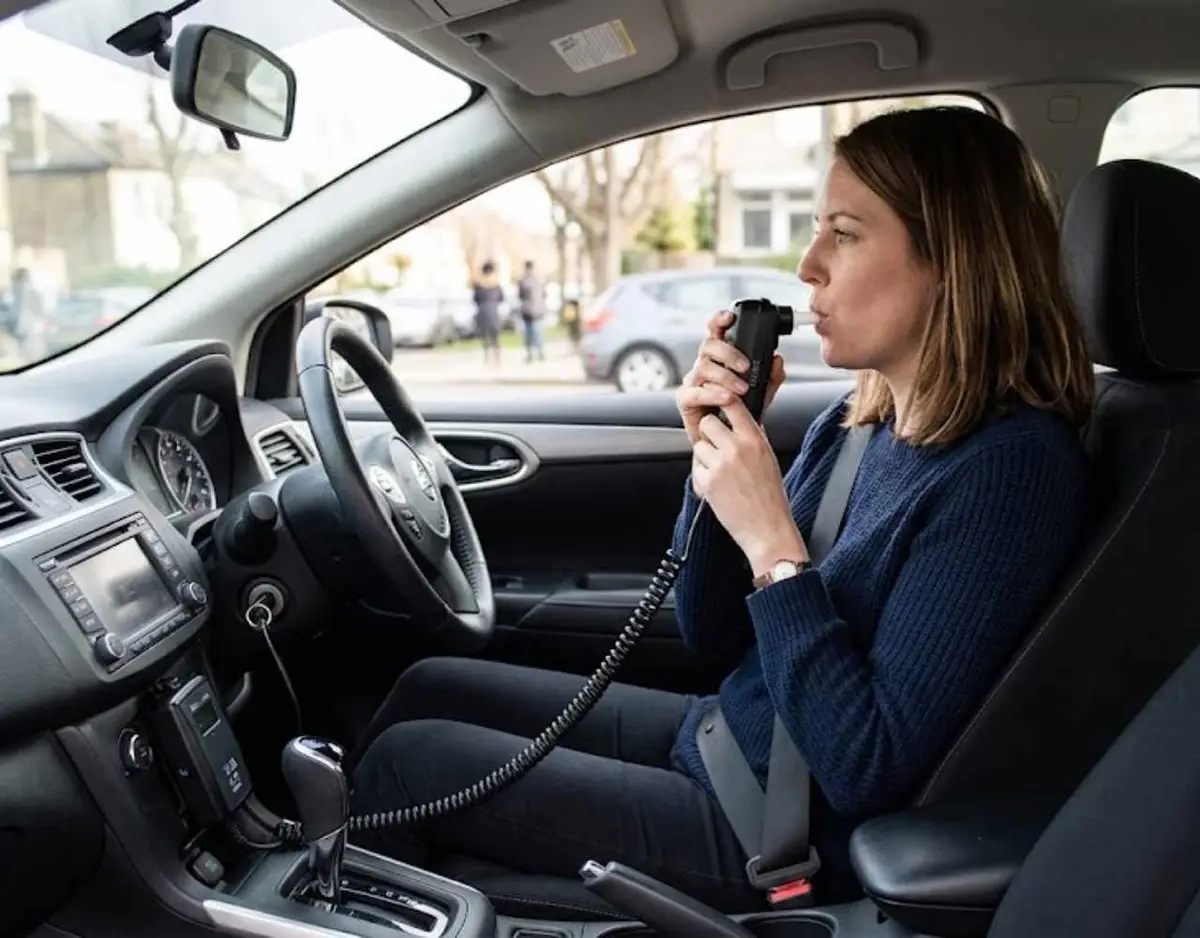
Yes, body cam footage from DUI cases in Illinois can be used as evidence in court. Prosecutors often introduce this footage alongside other evidence, such as field sobriety tests and breath test results, to support DUI charges.
Under Illinois law, DUI offenses are governed by 625 ILCS 5/11-501, which defines when a driver is considered impaired. In many cases, a DUI is charged as a Class A misdemeanor, although more serious charges may apply depending on the circumstances.
Bodycam footage may be used to help establish whether a driver showed signs of impairment that meet the legal standard of a misdemeanor DUI under this statute.
How Courts Use Video Evidence
Courts typically evaluate body camera recordings as part of the total evidence in a case. The footage may show how the stop was initiated, how the officer conducted the investigation, and how the driver responded.
Both prosecutors and defense attorneys rely on this footage. While the prosecution may use it to support their claims, a defense attorney may review the same video to identify inconsistencies, procedural errors, or issues that could affect the case.
What Bodycam Footage Shows During a DUI Stop
Bodycam footage offers a detailed view of a DUI stop, capturing interactions, observations, and testing from start to finish. This footage is crucial in assessing the conduct of the stop and the potential evidence used in a case.
Officer Interaction and Observations
Bodycam footage often captures the officer’s initial interaction with the driver, including speech patterns, behavior, and physical appearance. These early observations often influence whether the officer continues the DUI investigation.
Field Sobriety Tests
In many cases, officers ask drivers to perform field sobriety tests to evaluate possible impairment. One commonly used test is the horizontal gaze nystagmus, which involves observing eye movement.
Because these tests are subjective, video recordings can provide important context. The footage may show whether the officer gave clear instructions and whether external factors affected performance.
Learn More: Types of Field Sobriety Tests and What to Expect From Them
Statements and Behavior
Bodycam footage records what the driver says and how they behave during the stop. Statements made during the interaction may later be used as evidence.
The video may also capture behavior that officers associate with impairment, such as difficulty following instructions or coordination issues.
Can Bodycam Footage Help or Hurt Your DUI Case?
Bodycam footage can be useful for the defense in several ways. A criminal defense attorney may compare the video to the officer’s written report to identify inconsistencies. If the footage does not support the officer’s claims, it may raise questions about the reliability of the evidence.
Video recordings can also reveal issues with how field sobriety tests were conducted. If instructions were unclear or procedures were not followed, the results may be challenged.
In some cases, bodycam footage may support pretrial motions, including a motion to suppress evidence. For example, if the footage shows that the officer lacked a valid reason for the stop, certain evidence may be excluded.

How It Can Be Used Against You
At the same time, bodycam footage can also strengthen the prosecution’s case. Statements made during the stop may be used as evidence, especially if a driver admits to drinking or provides inconsistent answers.
The footage may also show visible signs of impairment, such as unsteady movement or difficulty following instructions. Poor performance on field sobriety tests can be clearly documented, making it more difficult to challenge.
Additionally, video evidence may be considered alongside breathalyzer results or blood alcohol concentration levels. When these elements align, they may reinforce the prosecution’s claims.
What a DUI Attorney Looks for in Bodycam Footage
A DUI attorney scrutinizes bodycam footage to spot legal issues, inconsistencies, or procedural errors to shape a defense strategy.
Legal Issues and Procedural Errors
A criminal defense attorney will review bodycam footage to determine if the police made any mistakes during the DUI stop. This includes evaluating whether there was a valid reason for the stop and whether the investigation was conducted lawfully.
The footage may also raise questions about whether a driver’s Miranda rights were properly addressed during the interaction.
Building a Defense Strategy
Bodycam footage often plays a key role in developing a defense strategy. Attorneys may use the video to support pretrial motions, including a motion to suppress, or to challenge how evidence was obtained.
Because the footage provides a real-time account of the interaction, it allows attorneys to evaluate the strengths and weaknesses of the case more effectively.
How to Obtain Bodycam Footage in Illinois
Bodycam footage is typically obtained through the legal discovery process. After charges are filed, the prosecution must provide certain evidence to the defense, including video recordings from the investigation.
The handling of this footage is governed in part by the Law Enforcement Officer-Worn Body Camera Act, which outlines how recordings must be stored and maintained.
Timing is important. In some cases, recordings may only be retained for a limited period unless they are preserved as evidence. Requesting the footage early allows for a more thorough review and preparation.
Speak With a Chicago DUI Lawyer Today
If you were arrested for DUI in Chicago, Cook County, DuPage County, or Will County, it is important to understand how bodycam footage may affect your case. Video evidence can be powerful, but it must be carefully reviewed within the context of the law.
A criminal defense attorney can analyze body cam footage, identify potential issues, and determine how it may impact your defense. Acting quickly can be critical when it comes to preserving evidence and protecting your rights.
To discuss your situation and learn more about your legal options, contact Dohman Law Group today at (847) 616-9993 to schedule a consultation.