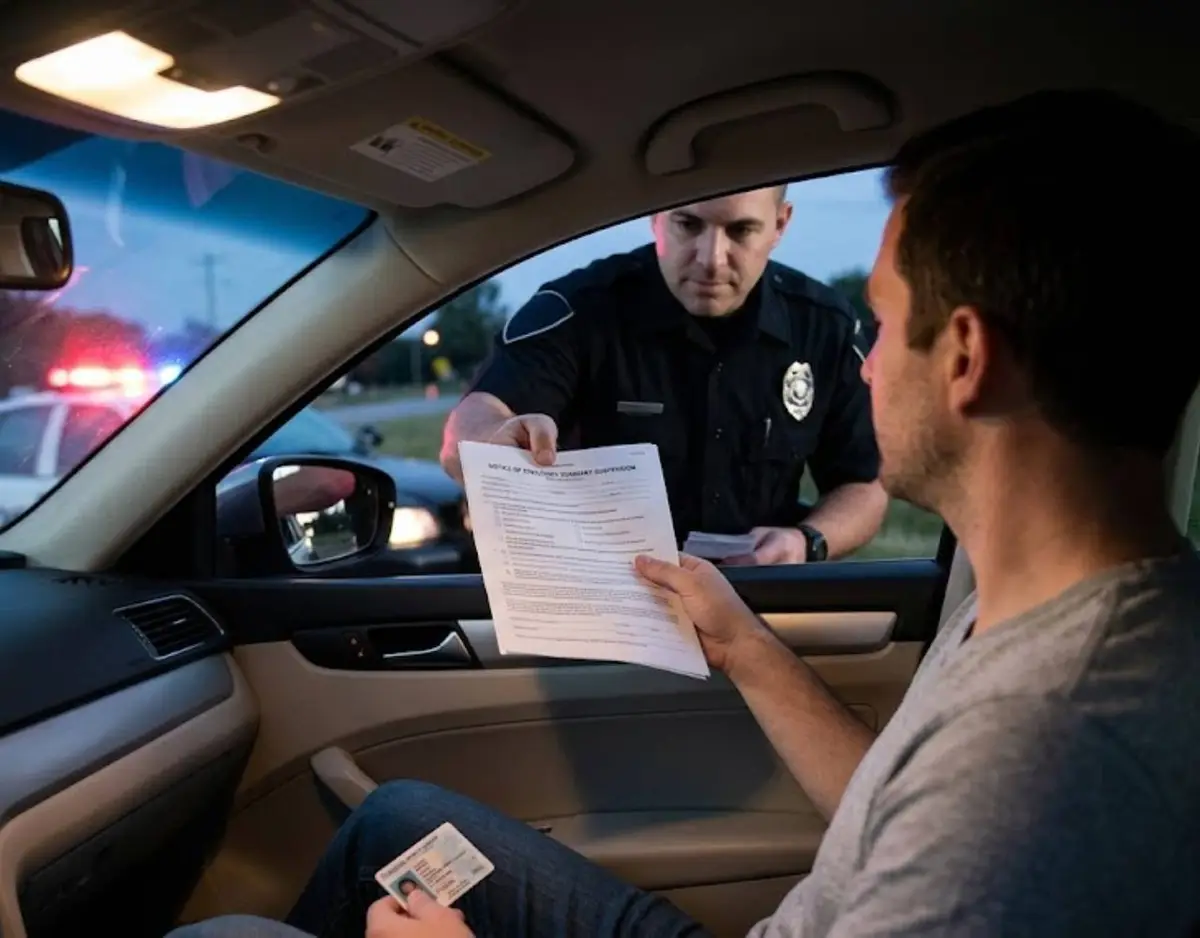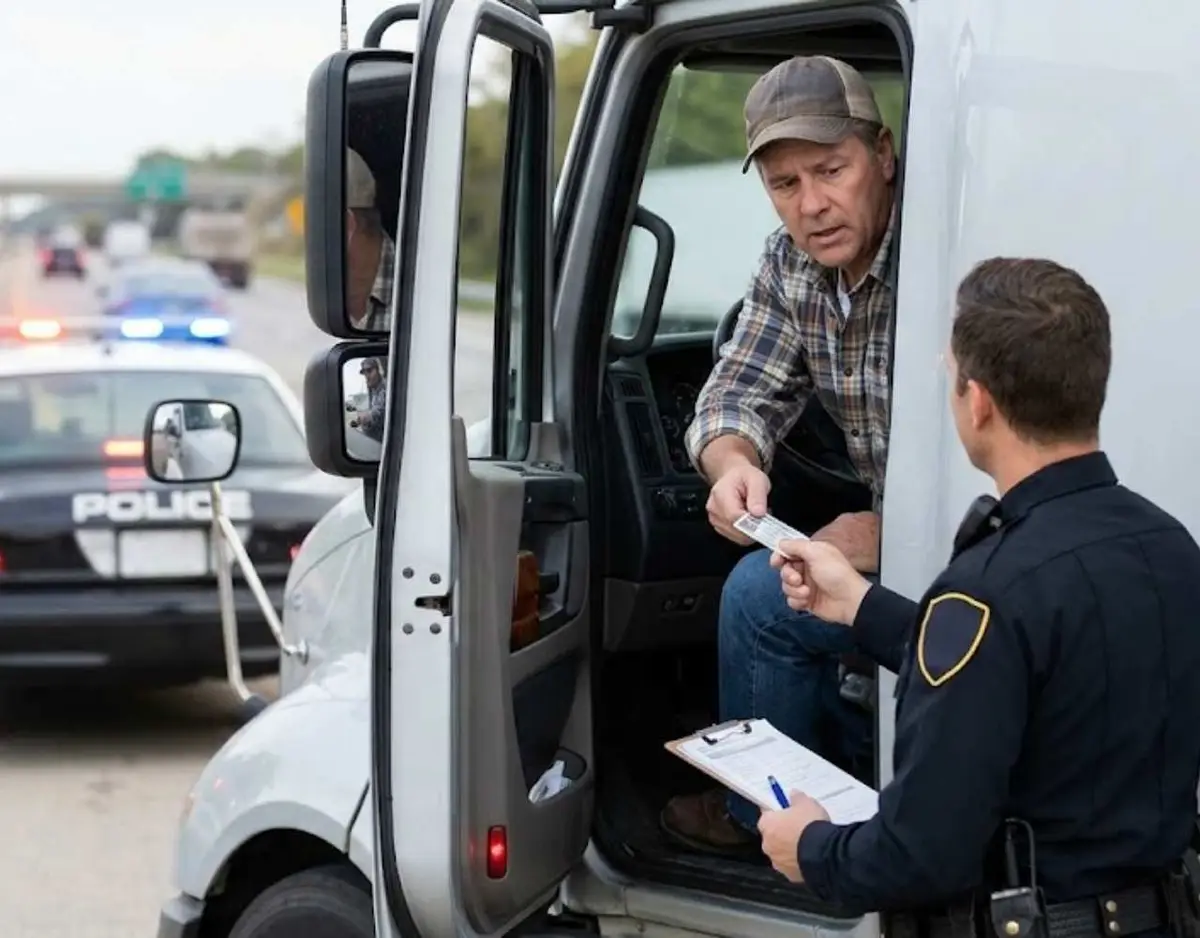
A DUI can feel like the end of a trucking career before it really starts. Maybe you already drive for a living and just got arrested. Maybe you made a mistake years ago and now want to earn your commercial driver’s license. Either way, the question is the same: does a DUI shut the door on a CDL for good?
In most cases, it does not. Illinois and federal law set firm waiting periods, and a second offense can trigger a lifetime ban, but many drivers do return to commercial work. Our team at Dohman Law Group focuses on DUI and traffic defense, and we help commercial drivers protect their livelihoods every week. Schedule a free consultation today, and we will walk you through where you stand and what comes next.
Yes, but Your Record Decides How Long You Wait
You can usually get or keep a CDL after a DUI in Illinois once your disqualification period ends and your regular driving privileges are valid again. The length of that wait depends on three things: how many disqualifying offenses you have, what you were driving, and whether you hauled hazardous materials at the time.
Here is how the most common situations play out.
| Your Situation | Can You Hold a CDL? | Typical Wait |
|---|---|---|
| First DUI or test refusal (any vehicle, CDL holder) | Yes, after disqualification ends | At least 1 year |
| First DUI while hauling placarded hazardous materials | Yes, after disqualification ends | At least 3 years |
| Second disqualifying offense (separate incidents) | Lifetime ban, with one possible reduction | At least 10 years, if eligible |
| Any offense after a 10-year reinstatement | No | Permanent, no second reduction |
| Using a commercial vehicle in a drug distribution felony | No | Permanent |
| Past DUI before you ever applied for a CDL | Often yes, once your license is valid | Depends on your full record |
These are minimum periods. Your actual timeline also depends on reinstating your base license, which can take longer.
Why Commercial Drivers Face Harsher Penalties

Illinois holds commercial drivers to a higher standard than everyone else on the road. That stricter treatment comes from federal law, which every state must follow to keep its CDL program in good standing.
A few rules surprise drivers the most:
- The legal limit drops in a commercial vehicle. For most drivers, the legal limit is a blood alcohol content of 0.08. Behind the wheel of a commercial motor vehicle, a reading of 0.04 or higher counts as a violation.
- Your personal car counts too. A DUI in your own pickup or sedan still triggers CDL disqualification if you hold a CDL or a commercial learner’s permit.
- Refusing a test counts. Under the Illinois implied consent law, refusing a chemical test brings the same one-year disqualification as failing one.
- Court supervision does not shield your CDL. Supervision may keep a conviction off your regular record, but Illinois treats it as a conviction for CDL purposes.
That last point catches many drivers off guard. An outcome that works well for a regular driver may still cost a commercial driver their job. For a closer look at the court side, read our guide to DUI charges for CDL holders in Illinois.
How Long a DUI Keeps You Out of a Commercial Vehicle
The Department of Transportation sets the baseline disqualification periods, and Illinois writes them into state law. Here is the breakdown.
A First Offense Means at Least One Year
A first DUI, a breath test over the limit, or a test refusal leads to a disqualification of at least 12 months. Many drivers call this a one-year suspension, though the legal term is disqualification.
If you were hauling hazardous materials that required placards, the minimum jumps to three years.
A Second Offense Means a Lifetime Ban
Two disqualifying offenses from separate incidents trigger a lifetime ban from commercial driving. The two offenses do not have to match. A DUI in one year and a test refusal in another can combine to reach the lifetime mark.
The 10-Year Path Back From a Lifetime Disqualification
A lifetime CDL disqualification is not always permanent. Federal rules allow a state to reinstate a driver after at least 10 years, but only if the driver completed an approved rehabilitation program. Illinois law allows this reduction when federal regulations authorize it.
There is a catch. You get one reduction. If you pick up another disqualifying offense after reinstatement, the ban becomes permanent with no second chance.
Offenses With No Way Back
Using a commercial vehicle to commit a felony involving the manufacture or distribution of controlled substances brings a lifetime ban with no reinstatement option at all.
Already Have a CDL? What a DUI Arrest Means Right Now
If you hold a CDL today, the clock can start before your case ever reaches a verdict. A failed or refused chemical test can lead to a statutory summary suspension of your regular license, and that suspension can trigger your CDL disqualification on its own.
A few points matter right away:
- Permits do not cover commercial driving. A restricted driving permit or a monitoring device driving permit may let you drive your personal car to work. Neither one allows you to operate a commercial vehicle.
- Out-of-state arrests follow you home. Illinois will act on a DUI from another state as if it happened here.
- Your employer must keep you off the road. Federal rules bar carriers from letting a disqualified driver operate a commercial vehicle.
If your CDL is already suspended, our article on how to get a suspended CDL back explains the reinstatement side in more detail. For a full rundown of court penalties, see DUI penalties for CDL drivers.
Applying for a CDL for the First Time With a DUI on Your Record
Not every reader already drives commercially. Some people want to start a trucking or bus career after a DUI that happened years ago. Here is the good news: a past DUI does not automatically bar you from applying.
The key requirement is simple. Your regular driver’s license must be valid, with no active suspension, revocation, or disqualification. Federal rules also prevent a state from issuing a CDL to anyone who is currently disqualified.
Illinois Checks 10 Years of Driving History
When you apply, Illinois must request your driving record from every state where you held a license in the previous 10 years. Any active sanction from another state can stop your application.
Know Which Class of License You Need
The license you apply for depends on the classes of vehicles you plan to drive. Each class turns on the vehicle weight rating or the number of passengers.
| CDL Class | What It Covers |
|---|---|
| Class A | Any combination of vehicles with a gross combination weight rating of 26,001 pounds or more, when the towed unit weighs more than 10,000 pounds |
| Class B | Any single vehicle with a gross vehicle weight rating of 26,001 pounds or more |
| Class C | Smaller vehicles designed to transport passengers (16 or more, including the driver) or to haul placarded hazardous materials |
Additional Requirements Every Applicant Faces
A DUI does not change the standard steps. You still need to meet the same additional requirements as every other applicant:
- Pass the general knowledge test, plus the air brake knowledge test if your vehicle uses air brakes
- Pass the combination vehicles test for a Class A license
- Complete endorsement tests for hazardous materials, passengers, tankers, or school buses, as needed
- Self-certify your medical driving status and, for most drivers, carry a valid medical examiner’s certificate
- Pass the skills test in a vehicle that matches your license class
Keep in mind that a DOT medical exam can include questions about alcohol use. Be honest and prepared.
Steps to Get Back Behind the Wheel of a Commercial Vehicle

Returning to commercial driving after a DUI follows a clear order. Skipping a step can delay everything.
- Serve the full disqualification period. No permit or hardship exception shortens it.
- Reinstate your regular Illinois license. This often means a DUI evaluation, completing any required treatment or an alcohol awareness program, and paying reinstatement fees to the Illinois Secretary of State. A revocation also requires a hearing.
- Restore your commercial privileges. Once your base license is valid and your disqualification ends, you can work with the Secretary of State to reinstate or reapply for your CDL.
- Update your medical certification. Make sure your medical driving status and examiner’s certificate are current.
- Retest if required. Depending on how long you were out, you may need to retake knowledge or skills tests.
Our page on Illinois driver’s license reinstatement covers step two in more depth, including the hearing process.
How a DUI Shows Up When Carriers Run Background Checks
Getting your CDL back is one hurdle. Getting hired is another.
Federal rules require motor carriers to pull your driving record from every state where you held a license in the past three years before you start work. They must also check your safety history with previous DOT-regulated employers. A DUI conviction in background checks can make some carriers hesitate, especially for hazmat or passenger routes.
There is another hard truth. In Illinois, a DUI conviction or court supervision for DUI cannot be sealed or expunged. It stays visible.
That is why a clean driving record after reinstatement matters so much. Every year of safe driving rebuilds trust with carriers and insurers.
Your Defense Today Shapes Your CDL Tomorrow

Every question in this article comes back to one fact: the outcome of your DUI case decides how long you stay off the road. A one-year disqualification and a lifetime ban can turn on a single conviction. Strong legal representation gives you the chance to challenge the evidence before it costs you your career.
When we take on a commercial driver’s case, we look closely at:
- Whether the traffic stop was lawful
- How officers handled breath, blood, or urine testing
- Whether the implied consent warnings were given correctly
- Whether a summary suspension can be challenged at a hearing
- How any plea option would affect your CDL, not just your regular license
We handle DUI and traffic cases exclusively, with offices in Rolling Meadows, Wheaton, and Geneva serving drivers across Cook, DuPage, Kane, and Lake counties. Every case is different, and we will give you an honest picture of yours.
Your career is worth a fight. Contact Dohman Law Group for a free case review, and let us start protecting your commercial driving future today.
Frequently Asked Questions
Often, yes. If your regular license is valid and you are not currently disqualified, a past DUI does not automatically bar you. Illinois will review your driving history from the past 10 years.
Yes. A DUI or test refusal in any vehicle triggers at least a one-year CDL disqualification for CDL and permit holders.
The limit is a blood alcohol content of 0.04 while driving a commercial motor vehicle. The standard 0.08 limit applies in a personal vehicle.
No. Restricted driving permits and monitoring device driving permits do not allow commercial driving.
Yes, though some drivers may qualify for reinstatement after at least 10 years by completing an approved rehabilitation program. That reduction is available only once.