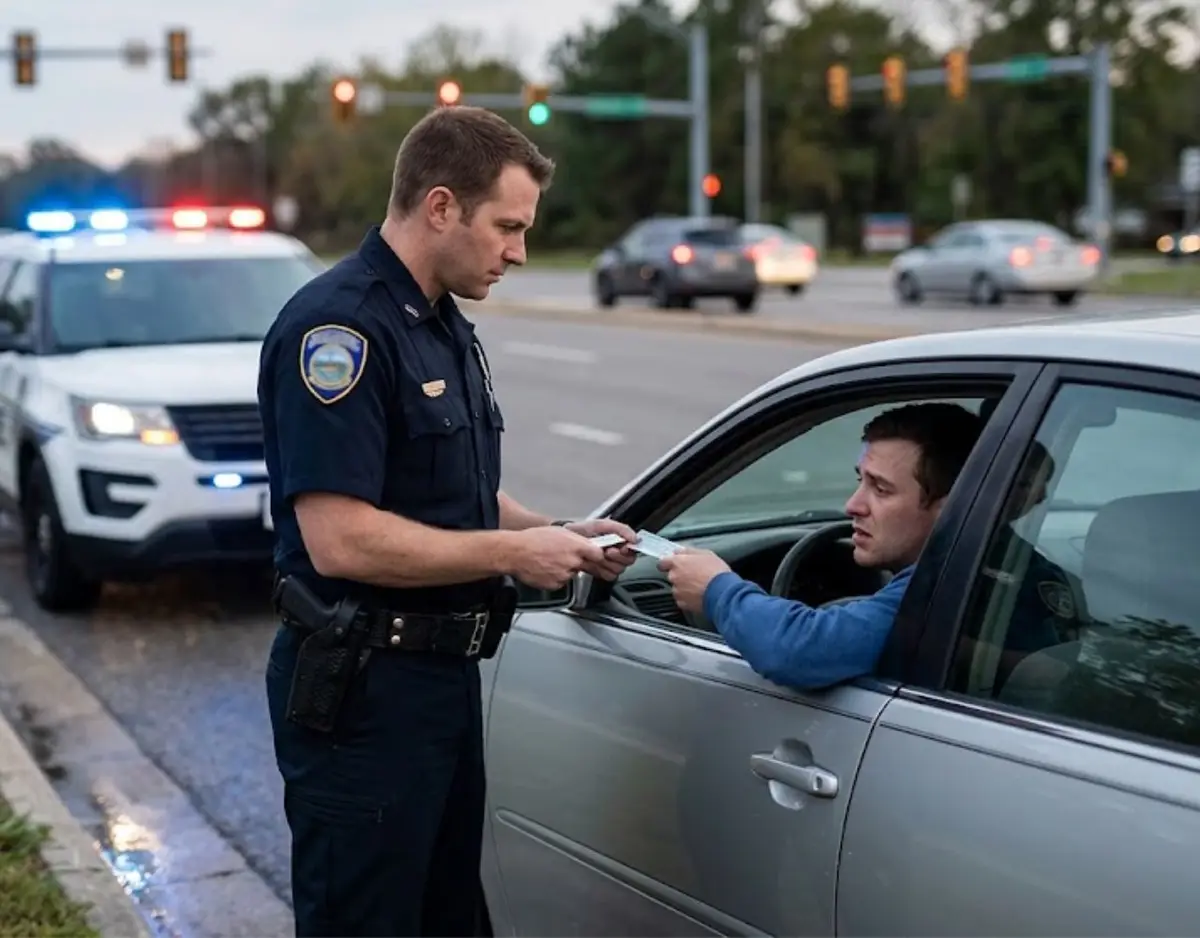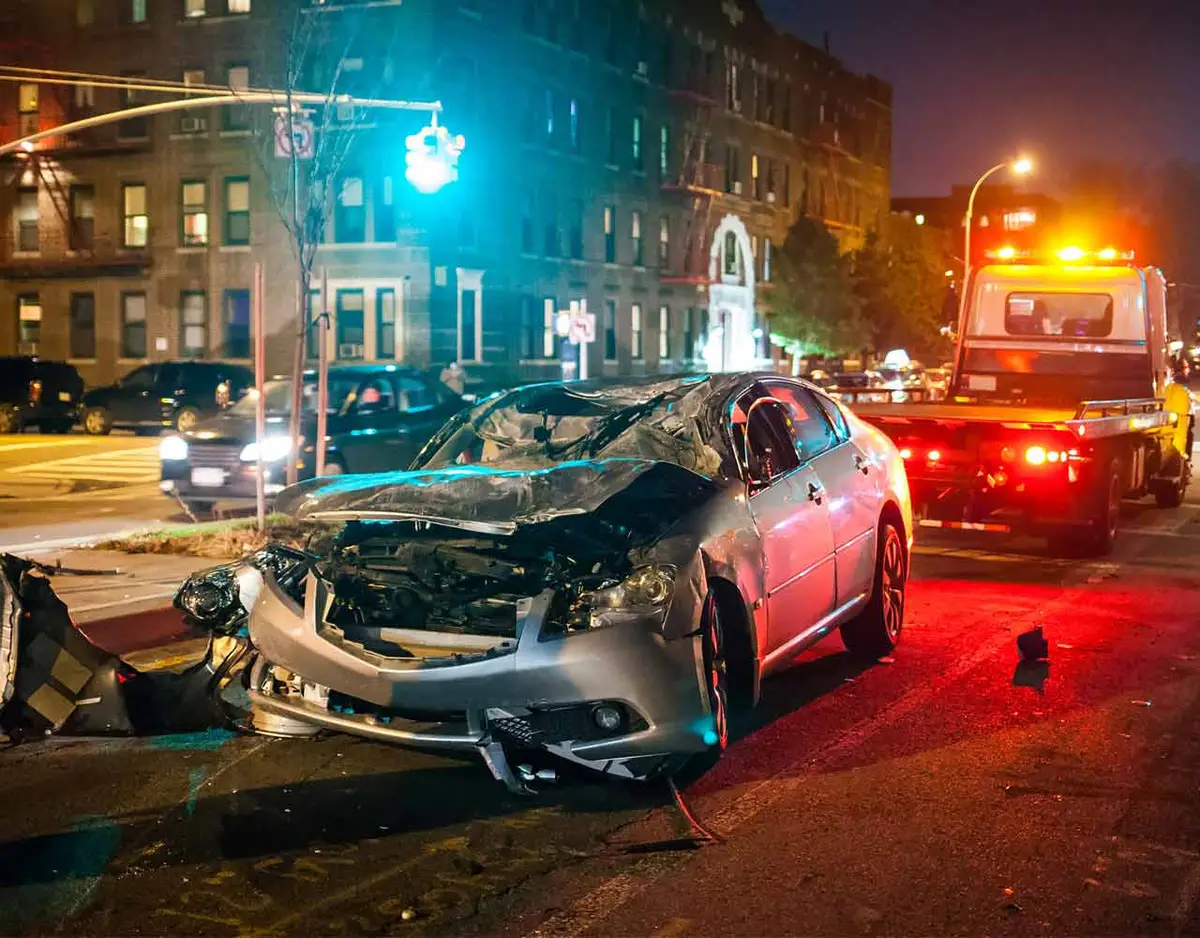
A fatal drunk driving crash turns into a serious felony case almost immediately. If Illinois police or prosecutors believe alcohol or drugs played a role in a deadly accident, the driver can face years in the Illinois Department of Corrections, not just a DUI ticket.
People often search for “DUI manslaughter” after a crash like this, but Illinois law does not use that exact phrase. Dohman Law Group has defended drivers across Cook, DuPage, Kane, and Lake counties against exactly these charges, and we can walk you through what the charge actually is, what it carries, and where to go from here.
If you or someone you love is under investigation for a fatal DUI crash in Illinois, do not wait to get legal advice. Contact Dohman Law Group for a free consultation before you say anything else to police or an insurance adjuster.
What DUI Manslaughter Actually Means Under Illinois Law

Illinois does not have a criminal charge called DUI manslaughter. It is a term people use in everyday conversation, but prosecutors file one of two specific charges when a drunk or drugged driving crash kills someone:
- Aggravated DUI resulting in death under 625 ILCS 5/11-501, the charge most fatal DUI crashes fall under today.
- Reckless homicide under 720 ILCS 5/9-3, which can also apply to a DUI-related death and covers non-DUI reckless driving deaths as well.
Both are felonies. Both can mean years in prison. Which charge applies, and how severe it is, depends on the blood alcohol concentration, the driver’s conduct, and the specific facts of the crash.
How a Fatal DUI Crash Becomes Aggravated DUI Resulting in Death
To charge aggravated DUI resulting in death, prosecutors have to show the driver was impaired under Illinois’s DUI law, meaning a blood alcohol content of .08 or higher, or impairment from drugs, and that the intoxicated driving was a legal cause of the fatal crash.
That causation piece matters more than people expect. A driver can be over the legal limit and still not be the legal cause of a death if another factor, like a different driver’s negligence or a mechanical failure, actually caused the crash.
Evidence in these cases usually includes a breath, blood, or urine test, field sobriety test results, police officers’ crash reconstruction, and sometimes cell phone or dashcam records.
Penalties for Aggravated DUI Causing Death in Illinois
Aggravated DUI resulting in death is a Class 2 felony, but it carries a longer sentencing range than most Class 2 charges.
| Circumstance | Felony Class | Prison Range |
|---|---|---|
| Aggravated DUI resulting in death of one person | Class 2 | 3 to 14 years |
| Aggravated DUI resulting in death of 2 or more people | Class 2 | 6 to 28 years |
Courts rarely grant probation on this charge. Illinois law generally requires the mandatory prison term above unless a judge finds extraordinary circumstances on the record. A conviction also carries fines and, in almost every case, revocation of driving privileges through the Secretary of State.
When Prosecutors Charge Reckless Homicide Instead
Reckless homicide is the other charge that can apply to a fatal DUI crash, and it also covers deaths caused by reckless driving with no alcohol or drugs involved at all, like extreme speeding or ignoring a red light.
A standard reckless homicide charge, with no aggravating circumstances, is a Class 3 felony carrying 2 to 5 years in prison and a fine of up to $25,000. Certain facts push it up to a Class 2 felony instead:
- Alcohol or drugs were involved.
- A school zone with a crossing guard on duty.
- A construction or maintenance zone with workers present, or a failure to obey a flagger or police officer directing traffic around one.
- An intentionally airborne vehicle, such as gunning a car over a hill, a bridge approach, or a railroad crossing to catch air, if it results in death.
- The victim was an on-duty peace officer, firefighter, or emergency medical worker.
- The victim was a family or household member of the driver, under the involuntary manslaughter side of the same statute.
Once elevated, reckless homicide carries the same 3- to 14-year range as aggravated DUI, or 6 to 28 years for more than one death.
What Leaving the Scene Adds to a DUI Death Case
Fleeing the scene after a fatal crash is its own separate charge in Illinois. Leaving the scene of an accident involving death is a Class 1 felony, generally carrying 4 to 15 years in prison.
That charge stacks on top of the aggravated DUI or reckless homicide charge. A driver who panics and drives away from a fatal DUI accident can end up facing two serious felonies instead of one.
What Prosecutors Have to Prove in a DUI Manslaughter Case

A fatal crash does not automatically mean a conviction. Prosecutors still have to prove specific elements beyond a reasonable doubt:
- The driver was impaired, based on blood alcohol concentration, a chemical test, or other evidence of intoxicated driving.
- The DUI, or the reckless conduct, was the legal cause of the death, not just present at the scene.
- The physical and testimonial evidence supports the state’s version of events: crash reconstruction, toxicology, witness statements, and any available video.
None of this gets decided the day of the arrest. It gets built and challenged over months of pretrial work.
How a Defense Attorney Challenges a DUI Death Charge
A charge is not a conviction, and a fatal DUI case is rarely as simple as the initial police report makes it look. The right defense depends on the evidence, the specific charge, and the court handling the case, but a few angles come up often:
- Questioning how the blood alcohol or drug test was administered, stored, or analyzed.
- Challenging whether the DUI was actually the legal cause of the crash, rather than another factor.
- Reviewing whether the traffic stop, arrest, or search that followed the crash held up under the law.
- Examining the crash reconstruction and physical evidence for inconsistencies.
An attorney can review the police reports, the toxicology, and the charging decision, and explain the realistic options for your specific case.
What to Do After a Fatal DUI Arrest or Investigation
The decisions made in the first hours and days after a fatal accident tend to matter more than people realize.
- Say as little as possible to police beyond identifying information until you have talked to a lawyer. Anything said at the scene, in the hospital, or in a follow-up interview can become evidence.
- Do not discuss the crash on social media or with anyone other than your attorney.
- Write down what you remember while it is fresh, for your own attorney’s file, not for investigators.
- Get medical attention documented if you were hurt in the crash.
- Contact a criminal defense attorney immediately, even if you have only been questioned and not yet formally charged. Charging decisions in DUI death cases often come weeks later, once toxicology results are back.
License Revocation, Insurance, and Other Lasting Consequences

Prison time is not the only thing on the line. A felony DUI death conviction follows a driver well past the courtroom:
- License revocation, not just suspension. A conviction typically leads to revocation through the Secretary of State, and getting driving privileges back afterward involves its own hearing process.
- Higher insurance rates. Rates climb sharply after a felony DUI conviction, sometimes making coverage difficult to find at any price.
- A permanent mark on your criminal history. This can affect employment and housing applications for years afterward.
- Immigration consequences for non-citizens. Our related article on how a DUI affects immigration status in Illinois covers that specific risk in more depth.
If a Family Lost Someone: Where the Criminal Case and a Civil Claim Diverge
It is worth being clear about something families on both sides of these cases often misunderstand. The criminal case against the driver is separate from any civil wrongful death lawsuit the victim’s next of kin might bring.
Dohman Law Group defends the person accused in the criminal case. We do not handle personal injury or wrongful death lawsuits.
A family considering a civil claim for damages after a fatal DUI crash should speak with a personal injury attorney about that separate process. The two cases run on different timelines and require different proof, even when they come from the same crash.
Fighting a DUI Manslaughter Charge in Cook, DuPage, Kane, and Lake County

Aggravated DUI and reckless homicide cases move through felony court, which means preliminary hearings, grand jury proceedings in some counties, and pretrial motions long before any trial date. How that plays out can vary by courthouse.
Our attorneys regularly appear in the Cook County courthouse in Rolling Meadows, the DuPage County courthouse in Wheaton, and Kane County’s courthouse near our Geneva office, and we handle Lake County matters as well.
Local familiarity with a courthouse, a prosecutor’s office, and how a specific judge tends to handle felony DUI cases can shape the defense from the very first hearing.
Why You Should Not Wait to Call After a Fatal DUI Crash
Evidence in a fatal DUI case does not wait. Blood samples degrade, witness memories fade, and the scene itself changes. Prosecutors are already building their side of the story while a driver is still deciding who to call.
Reach out to Dohman Law Group today for a free, confidential case review before you talk to anyone else about your case. Our attorneys can start reviewing the police report, the toxicology, and the charges before more time passes.
Frequently Asked Questions
No. Illinois law does not use the term DUI manslaughter. A fatal drunk or drugged driving crash is typically charged as aggravated DUI resulting in death, and reckless homicide can also apply.
Aggravated DUI resulting in death applies specifically when alcohol or drugs caused the crash. Reckless homicide can apply to a DUI-related death too, but it also covers fatal crashes caused by reckless driving with no alcohol or drugs involved.
Aggravated DUI resulting in death is a Class 2 felony carrying 3 to 14 years in prison for one death, or 6 to 28 years for more than one death, and courts rarely grant probation.
In nearly every DUI death or reckless homicide conviction, yes. It typically leads to license revocation through the Illinois Secretary of State rather than a temporary suspension, and reinstatement requires a separate hearing.
It depends entirely on the facts and evidence in the case, including the toxicology results and how the crash happened. Some cases are resolved through negotiated pleas to a lesser charge, and others are contested at trial. No attorney can promise a specific outcome before reviewing the evidence.