
Getting arrested for DUI can leave you with many questions, and one of the most common is, “Can a DUI record be expunged?” In Illinois, the answer depends on how your case ended. While some records may be eligible for removal, others remain part of your criminal history record permanently.
At Dohman Law Group, our DUI lawyers help clients throughout Illinois understand their rights and explore their legal options. Whether your case is recent or years old, we can review your situation and help you determine what may be possible. If you have questions about your record, contact us today to discuss your options.
Understanding DUI Records in Illinois
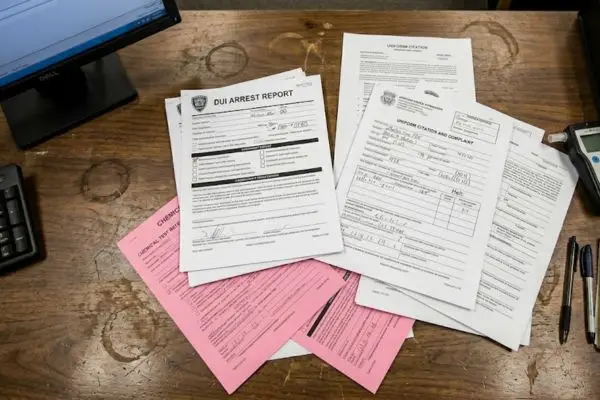
A DUI case involves more than just a conviction. Your criminal record may contain several pieces of information, including:
- The initial arrest by law enforcement.
- Charges filed by the district attorney.
- Court records.
- Information maintained by law enforcement agencies.
- Entries in a law enforcement database.
- Information shared with a criminal justice agency or even certain federal agencies.
In Illinois, driving while intoxicated offenses can create a permanent criminal history. That is why many people ask about expungement, record sealing, or other forms of record restriction.
Why Does a DUI Record Matter?
A DUI can affect many areas of your life. Employers, landlords, and licensing boards often review a person’s criminal history before making decisions.
A DUI record may impact:
- Employment opportunities.
- Professional and occupational licenses.
- Housing applications.
- Insurance premiums.
- Future license suspension issues.
- Opportunities involving security clearances.
Even a first offense can follow someone for years. That is why understanding the Seal and Expunge Process is so important.
Can a DUI Conviction Be Expunged in Illinois?
Unfortunately, most DUI convictions cannot be expunged in Illinois.
Many people assume that after a certain number of years, the conviction disappears. That is not the case. A DUI conviction generally remains part of your criminal history record permanently.
This rule applies whether the case involved:
- A high blood alcohol content level.
- A failed field sobriety test.
- Evidence showing elevated blood alcohol concentration.
- Installation of an ignition interlock device.
- A first or repeat offense.
While some criminal offenses may qualify for expungement, DUI convictions are treated differently under Illinois law.
Conviction Versus Arrest
It is important to understand the difference.
A conviction means the court found you guilty or you pleaded guilty.
An arrest, however, does not automatically mean you were convicted. Sometimes charges are dismissed, reduced, or result in another outcome. In those situations, there may be options available.
This is why speaking with experienced criminal defense attorneys and a knowledgeable DUI defense lawyer can make a significant difference.
When Can a DUI Arrest Be Expunged?

Although convictions usually cannot be erased, some DUI arrests may qualify for expungement.
Charges Were Dismissed
If the charges were dropped, you may be able to file a Petition for Expungement.
The process usually requires:
- Filing paperwork with the court system.
- Paying a filing fee when applicable.
- Requesting an expungement order.
- Obtaining a court order approving the request.
Once granted, the arresting agency and other law enforcement agencies are directed to remove the record from public access.
You Were Found Not Guilty
If your case went to trial and you were acquitted, you may qualify for expungement.
In many cases, a criminal investigation ends without a conviction. When that happens, Illinois law may allow you to clear the arrest from your criminal history.
Reduced Charges Can Change Things
Sometimes a DUI charge is amended to reckless driving or another traffic offense.
That distinction matters.
Depending on the final outcome, some reduced charges may qualify for record sealing or expungement. Every case is different, and eligibility depends on several factors.
Certain Offenses Can Prevent Expungement
Not every offense qualifies.
Illinois law contains several disqualifying offenses. More serious crimes, such as a forcible felony, human trafficking offenses, or certain controlled substance crimes, may affect eligibility.
Because these laws are complicated, we often advise clients to speak with a defense attorney before filing anything. Filing incorrectly can delay the process and create unnecessary frustration.
Can a DUI Be Sealed Instead of Expunged?
People often confuse expungement with record sealing, but they are not the same thing.
Expungement Removes the Record
When an expungement order is granted, records are removed from public access. Various law enforcement agencies and criminal justice system entities must comply with the court order.
Record Sealing Limits Access
Record sealing does not erase the case. Instead, it limits who can see it.
Certain government agencies and criminal justice agencies may still access sealed records, but most employers and members of the public cannot.
Can a DUI Conviction Be Sealed?
Generally, no.
Just like expungement, Illinois law does not allow most DUI convictions to be sealed.
However, if your DUI charge was reduced to another offense, there may be opportunities for record sealing or other forms of record restriction. Understanding these options requires a careful review of your case.
At Dohman Law Group, we help clients evaluate their records and determine whether there is a path forward. Even when a DUI conviction cannot be removed, there may still be steps we can take to help protect your future.
What Happens if You Received Court Supervision for a DUI?
Many people are surprised to learn that court supervision for a DUI is different from a conviction, but it still does not mean the record disappears.
Court supervision is often available to first-time offenders. It allows you to avoid a conviction if you complete certain requirements, such as:
- Alcohol education classes.
- Community service.
- Payment of fines.
- Compliance with all court conditions.
While supervision can help you avoid a conviction, Illinois law generally does not allow DUI supervision to be expunged or sealed.
In other words, the record remains part of your criminal history record even though you avoided a conviction.
This is why it is important to work with an experienced DUI defense lawyer from the beginning. The outcome of your case can affect your future for years to come.
How Long Does a DUI Stay on Your Record in Illinois?

One of the most common questions we hear is, “Will my DUI eventually disappear?”
For most people, the answer is no.
A DUI conviction remains on your criminal record permanently. It also becomes part of your criminal history and can affect future DUI cases.
A prior DUI can result in:
- Increased penalties.
- Higher fines.
- Longer periods of license suspension.
- Mandatory use of an Ignition Interlock Device.
- Potential felony charges for repeat offenses.
Even years later, a previous DUI can come back to affect your life.
What If Your DUI Charge Was Reduced?
Not every DUI case ends with a DUI conviction.
Sometimes a defense attorney can negotiate a reduction to another traffic offense, such as reckless driving.
This can make a huge difference.
Depending on the final disposition, a reduced charge may qualify for expungement or record sealing.
These outcomes often provide more legal options for people who are trying to move forward.
That’s why having a strong defense attorney early in the process is so important. A favorable outcome today may create opportunities for cleaning your record later.
How the Illinois Expungement Process Works
If you qualify for expungement, the process involves several steps.
Step 1: Determine Eligibility
Not every case qualifies.
Factors that affect eligibility include:
- The outcome of the case.
- Prior criminal history.
- Whether there are disqualifying offenses.
- Waiting periods required by law.
Step 2: File a Petition for Expungement
A Petition for Expungement asks the court to remove eligible records.
This process usually involves:
- Gathering documents.
- Completing forms.
- Paying a filing fee.
- Filing the petition with the court system.
Step 3: Review by Agencies
Various law enforcement agencies, the arresting agency, and other criminal justice agency entities may review the request.
Certain federal agencies may also receive notice.
Step 4: Receive a Court Order
If the judge approves the request, an expungement order is entered.
The court order directs agencies to remove or destroy eligible records according to Illinois law.
Common Mistakes People Make
We often see people make mistakes that delay the process.
Some common examples include:
- Assuming every DUI can be erased.
- Filing too early.
- Failing to pay the filing fee.
- Confusing expungement with record sealing.
- Filing incomplete paperwork.
- Not reviewing their criminal history record first.
Working with experienced criminal defense attorneys can help avoid unnecessary delays.
You can review your criminal history record and learn more about Illinois expungement and sealing procedures through the Illinois State Police.
What About Juvenile Records?

People sometimes ask whether juvenile records are treated differently.
In many situations, they are.
Illinois law provides protections for juvenile records and may allow automatic juvenile expungement under certain circumstances.
Young people who complete a juvenile diversion program or spend time in a juvenile correctional facility may have options that are not available to adults.
A juvenile criminal history record is handled differently from adult records.
Some cases may even qualify for automatic juvenile expungement without requiring action by the individual.
These rules are separate from DUI laws and often depend on the nature of the offense.
Other Types of Record Relief
People sometimes hear terms like:
- Order of Non-Disclosure.
- Record restriction.
- Seal and Expunge Process.
While some states use these terms differently, Illinois primarily uses expungement and record sealing.
The rules also vary depending on the offense. For example, cases involving a Class C misdemeanor, controlled substance charges, or allegations connected to human trafficking may have different requirements.
Because every case is unique, it is important to review your record carefully before taking action.
Why Talking to a Lawyer Matters
Navigating the court system can be confusing.
You may have questions about:
- Blood alcohol content evidence.
- Blood alcohol concentration testing.
- A failed field sobriety test.
- License suspension issues.
- Whether your charge can be reduced.
- Whether you qualify for expungement.
- Whether record sealing is available.
At Dohman Law Group, we understand how stressful these situations can be. We know that one mistake should not define the rest of your life.
Our team can review your criminal record, explain your legal options, and help you determine the best path forward.
Let Dohman Law Group Help You Understand Your Options

A DUI record can continue to affect your life long after your case is over, but you do not have to navigate your options alone. At Dohman Law Group, we help clients throughout Illinois understand their rights and determine whether expungement, record sealing, or other forms of relief may be available. If you are ready to put the past behind you and protect your future, contact us today to discuss your case.